Description
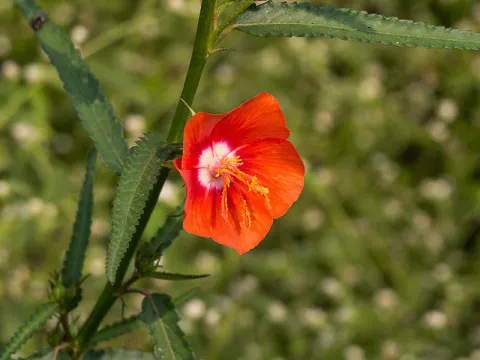
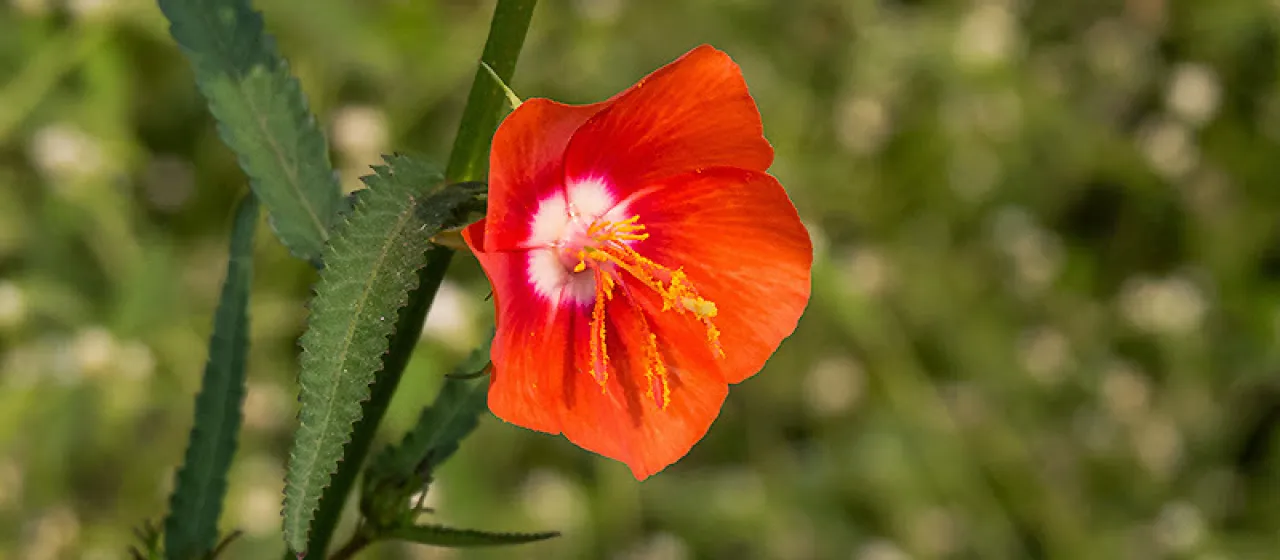
Pentapetes phoenicea is an annual herbaceous plant belonging to the Malvaceae family. Known commonly as the midday flower, it is characterized by its vivid crimson-red blossoms that open in the afternoon and close by the next morning. The plant typically reaches a height of 60 to 90 centimeters, featuring lanceolate leaves with serrated margins, making it an attractive addition to warm-climate landscapes.
Native to the tropical regions of Asia, specifically India and parts of Southeast Asia, this species naturally thrives in wet, marshy environments. It has been observed growing in diverse conditions, including paddy fields and riverbanks. Because of its tropical origin, it is not frost-hardy and requires a long, frost-free growing season to reach its full potential, making it an excellent candidate for summer gardens in warm temperate zones.
Agronomic success with Pentapetes phoenicea depends on mimicking its natural habitat. It requires full sun exposure to trigger its unique flowering cycle. The soil must be nutrient-rich, moist, and well-drained. Given its high water requirements, consistent irrigation is essential; allowing the soil to dry out significantly can stunt growth and reduce the number of blossoms produced throughout the season.
In terms of usage, the plant is primarily utilized as a decorative element in horticulture. It is frequently employed in bedding designs, borders, and container gardening. While it does not have widespread commercial food applications, its aesthetic contribution to garden biodiversity is significant, particularly in the later hours of the day when its flowers reach their peak display.
- Optimal growth temperature: +20°C to +30°C.
- Propagation: Seeds sown indoors before the last frost.
- Soil requirements: Loamy, fertile, and organic-rich substrates.
- Pests: Aphids and spider mites during dry periods.
- Disease risk: Root rot caused by poor soil drainage.
Management of typical pests and diseases is a critical aspect of growing Pentapetes phoenicea successfully. Because the plant is susceptible to root-related issues, maintaining proper drainage is more effective than relying on chemical treatments after an infection begins. During the peak of summer, regular inspection for spider mites on the undersides of the leaves is recommended, as these pests thrive in the same warm, dry conditions that the plant tolerates.
Photo gallery