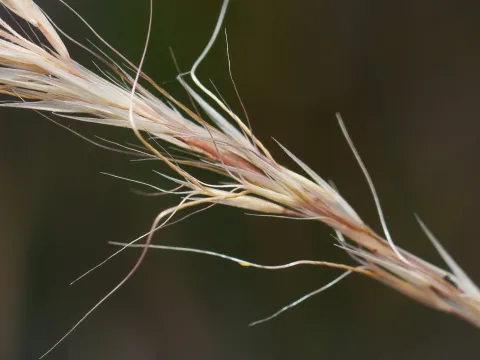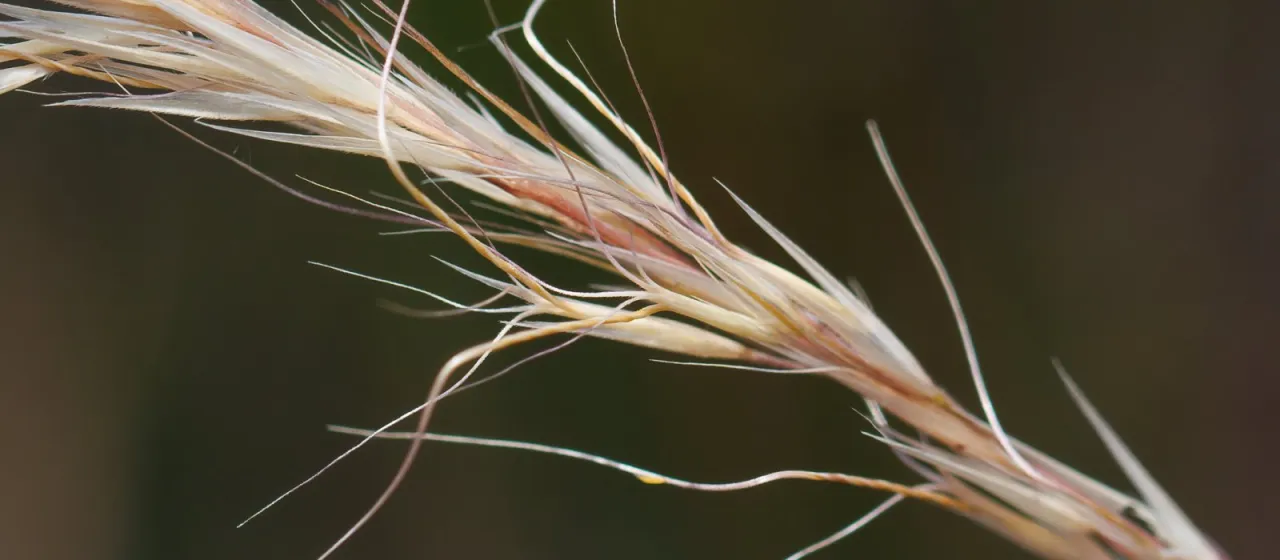
Description
Pentapogon quadrifidus, commonly known as five-awned spear grass, is a perennial grass species belonging to the Poaceae family. Native to Australia, this plant is recognized for its durability and its potential integration into sustainable pasture management systems, particularly in regions where drought resistance is a critical trait for forage species.
The species primarily inhabits temperate and subtropical zones across Australia, where it thrives in open woodlands and grasslands. Its natural range demonstrates a high degree of resilience to fluctuating environmental conditions, including varying seasonal temperatures and intermittent moisture availability. This geographical distribution underscores its suitability for regions with similar climatic profiles.
Botanically, Pentapogon quadrifidus is distinguished by its slender, linear foliage and its distinctive spike-like inflorescences. The "quadrifidus" nomenclature reflects the specific structure of the florets, which feature characteristic awns. The plant develops a robust, fibrous root system that plays an essential role in soil stabilization and resource acquisition, making it a competitive species in its native environment.
Agronomic requirements for this grass include well-drained soil substrates, ideally with a neutral or slightly acidic pH balance. While the species is relatively low-maintenance, successful cultivation relies on proper site preparation and the avoidance of overgrazing during the establishment phase. Ensuring adequate soil aeration and minimizing weed competition during the early growth stages are crucial for achieving optimal stand density.
The primary economic value of this grass lies in its utility for forage production in livestock systems. It provides a reliable source of nutrients, especially during peak growth phases. Management practices to protect the crop typically involve monitoring for fungal pathogens, such as rust, and controlling potential insect pests through integrated pest management strategies. Maintenance of healthy soil moisture levels significantly enhances the overall resilience and yield potential of the crop.
Photo gallery