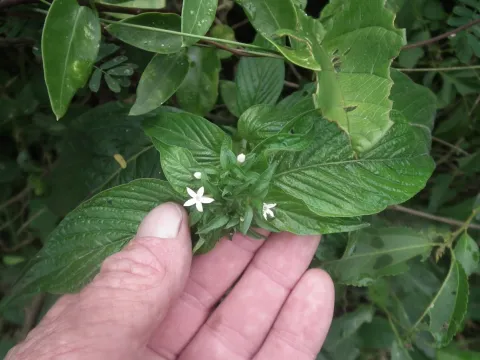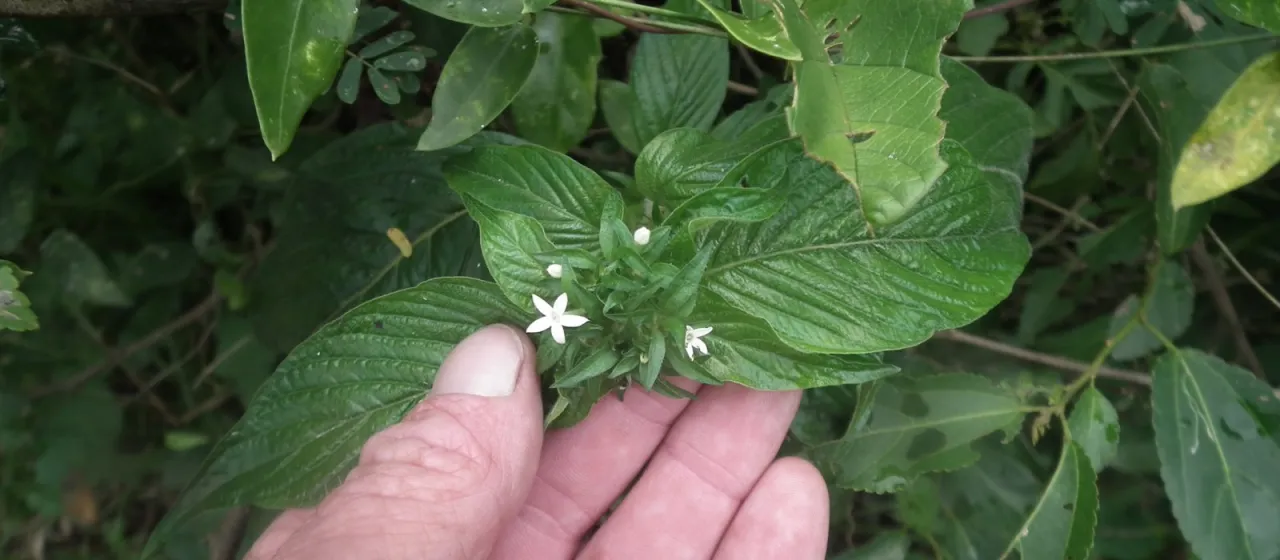
Description
Pentas micrantha is a perennial herbaceous plant or subshrub belonging to the Rubiaceae family. While the genus Pentas is globally recognized for its ornamental potential, this specific species is noted for its delicate, small-flowered inflorescences and robust growth habit, making it a subject of interest for specialized horticulture and botanical collections.
The species originates from the tropical regions of Africa, where it thrives in varied habitats ranging from woodland fringes to savanna ecotones. Its evolutionary history in these warm, relatively stable climates dictates its modern agricultural requirements. In temperate regions, it is cultivated primarily in greenhouse environments or as a seasonal container plant, as it lacks cold hardiness and requires thermal protection.
Botanically, the plant displays erect stems with opposite, lanceolate leaves that often exhibit a characteristic vein pattern. The small, star-shaped flowers are clustered into dense cymes, providing a long-lasting display. This species is distinguished by its structural integrity and ability to maintain a compact, bushy form, which is highly desirable for ornamental production and controlled indoor landscaping.
Cultural requirements involve maintaining a well-drained, nutrient-rich substrate with a slightly acidic pH. The plant performs best under moderate light intensities; direct intense sunlight can scorch the foliage, while insufficient light leads to stem elongation. Consistent moisture is essential during the active growing season, though the soil must be allowed to dry slightly between irrigation events to prevent root stress.
The primary horticultural application of Pentas micrantha is in the ornamental sector, serving as an attractive plant for indoor decoration and professional floral arrangements. Agronomic management involves vigilant pest control and monitoring for physiological disorders. Major threats include:
- Root rot pathogens exacerbated by poor substrate drainage.
- Spider mite infestations, particularly in low-humidity environments.
- Whitefly populations that may colonize the leaf undersides.
Photo gallery