Description
Pentaspadon motleyi is a significant tropical tree species belonging to the Anacardiaceae family. Renowned for its presence in the lush rainforests of Southeast Asia, this species acts as a structural component of lowland tropical ecosystems, contributing significantly to forest biomass.
The native range of this tree spans across Malaysia, Indonesia, the Philippines, and Papua New Guinea. It is naturally adapted to moist, humid conditions and is frequently observed in alluvial habitats and areas near swamp forests where the soil moisture remains high throughout the year.
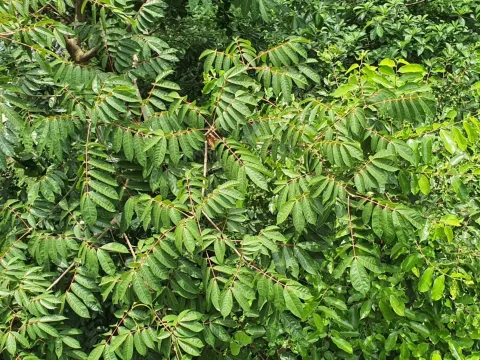
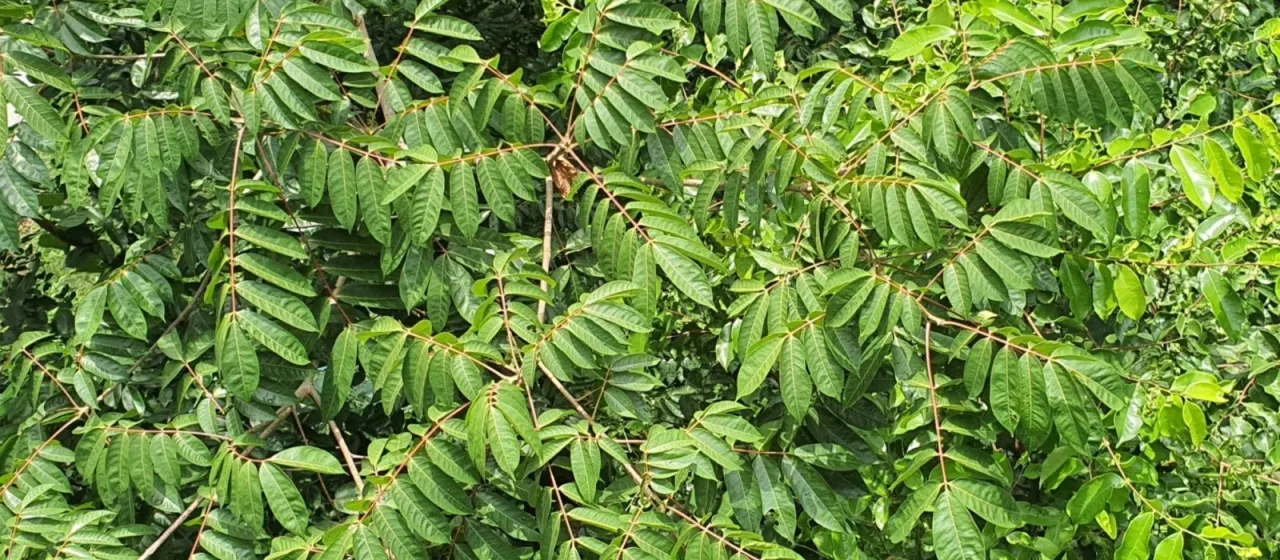
Botanically, the species is characterized by its broad, dense canopy and compound leaves that allow it to thrive in varying light conditions. The fruit, a drupe, serves as a vital food source for avian and arboreal wildlife, playing a key role in local seed dispersal mechanisms within its habitat.
Successful cultivation of Pentaspadon motleyi requires careful attention to soil composition, favoring rich, well-drained but consistently moist substrates. In silviculture, it is essential to manage the canopy density during the sapling stage to ensure the tree receives adequate diffuse light while avoiding direct thermal stress from excessive solar radiation.
The economic value of this tree is primarily linked to its timber, which is utilized in construction and furniture making due to its durability. Beyond timber production, the tree serves several vital ecological and agricultural functions:
- Utilization of durable wood for architectural purposes.
- Restoration of forest cover in tropical regions.
- Provision of ecosystem services for local forest fauna.
- Potential research in the chemical properties of its secondary metabolites.
Management of the species includes monitoring for typical tropical pests, such as wood-boring beetles and pathogens that thrive in humid environments. Effective plantation management relies on regular site inspection and ensuring optimal spacing to prevent the rapid spread of infections, maintaining the overall health of the forest stand.
Photo gallery