Description
Chinese penthorum (Latin: Penthorum chinense) is a herbaceous perennial plant and the only genus within the family Penthoraceae. It is a distinct botanical species that is highly valued for its medicinal properties and its unique ecological adaptation to wet habitats. Its morphological structure allows it to thrive in environments where most typical garden crops would succumb to root rot.
The plant originates from East Asia, including regions such as China, Japan, and the Korean Peninsula. In its native range, it is commonly found in wetlands, marshy meadows, and along the banks of freshwater rivers. Because of this, cultivation efforts outside its native range must mimic these humid conditions to ensure the plant's health and successful development.
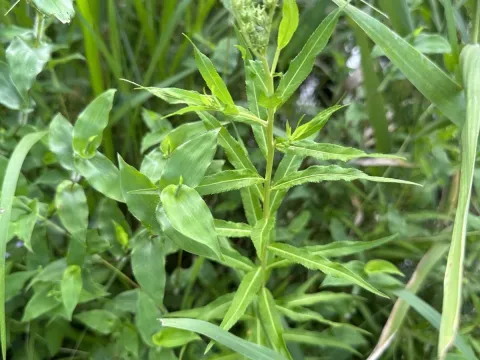
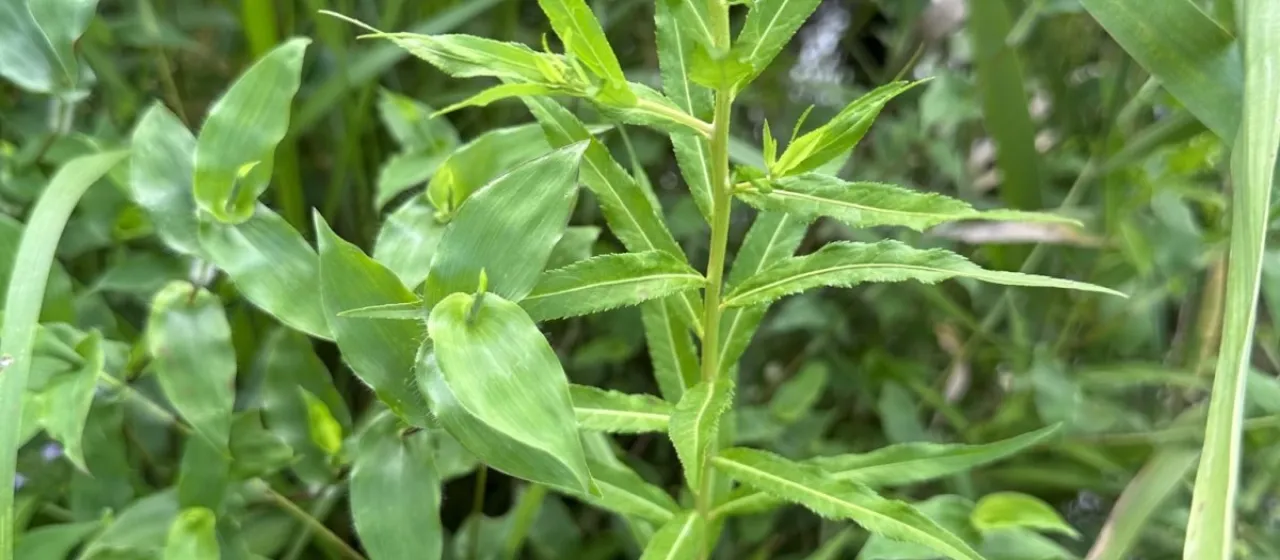
Botanically, the Chinese penthorum features an erect, branched stem with alternate, lanceolate leaves that have serrated margins. The inflorescence consists of terminal cymes with small, greenish-yellow flowers. One of the most striking features of this plant is the star-shaped seed pod, which makes it aesthetically interesting for botanical gardens and landscaping purposes in water-adjacent zones.
Agricultural requirements center primarily on soil moisture management. It is essential to maintain high soil humidity throughout the growing season, as the plant cannot tolerate dry conditions. Ideal substrates are humus-rich, fertile, and maintain good water-holding capacity. If planting in a standard garden, placing the plant in a low-lying spot with irrigation systems or near a pond edge is the recommended strategy for success.
In terms of хозяйственное usage, Penthorum chinense is primarily utilized in traditional medicine, specifically for managing hepatic conditions and jaundice. It is known for its pharmacological compounds that support liver function. Beyond medicine, the plant serves an ecological role in water filtration systems and provides structural beauty to damp garden environments where other perennials fail.
- Prefers high moisture levels and constant irrigation.
- Thrives in nutrient-dense organic soils.
- Low maintenance regarding pest control due to its specialized habitat.
- Propagation primarily via seed or root division.
Photo gallery