Pentodon pentandrus
Pentodon pentandrus
Description
Pentodon pentandrus is a perennial herbaceous plant belonging to the Rubiaceae family. Known for its adaptability, this species is highly valued in botanical circles and aquarium design, as it thrives in both terrestrial humid environments and fully aquatic settings.
Native to tropical Africa, this plant is naturally found in wetlands, riverbanks, and marshy meadows. Its evolutionary history has made it a resilient species capable of surviving seasonal floods and changing water levels, which is a critical feature for its successful cultivation in managed environments.
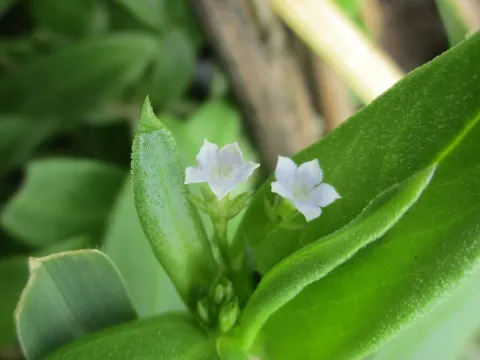
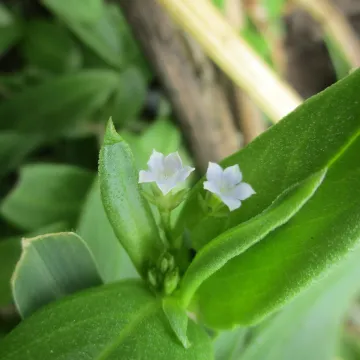
Botanically, the plant features slender, lance-shaped leaves that are arranged oppositely along a branched stem. The root system is fibrous and aggressive, allowing it to anchor securely in soil or aquatic substrate. Its flowers are small, funnel-shaped, and usually bloom in clusters, offering a subtle visual appeal that complements its lush, green foliage.
Cultivation requires specific environmental parameters: temperatures between 22°C and 28°C and high-intensity ambient light. The soil or substrate must remain consistently moist. If grown in an aquarium or paludarium, the plant requires a nutrient-rich substrate to support its rapid development and maintain its vivid color throughout the growing season.
- Optimal humidity levels are essential.
- Regular pruning encourages fuller growth.
- Fertilization should be balanced with phosphorus for better root health.
In terms of plant health, Pentodon pentandrus is generally robust but can be prone to fungal root rot if the water circulation is poor. Common pests include aphids and spider mites, particularly when the humidity drops too low. Proper management of air circulation and moisture levels is the key to preventing most physiological and pathological issues in this crop.
Photo gallery