Description
Pentzia cooperi is a perennial subshrub belonging to the Asteraceae family. This species is highly regarded for its remarkable physiological resilience, allowing it to thrive in arid and semi-arid environments where other vegetation often fails to persist.
Native to the arid regions of Southern Africa, this plant has adapted to survive in harsh, low-rainfall zones. Its natural distribution is largely concentrated in landscapes that require specialized flora capable of enduring prolonged droughts and significant temperature fluctuations.
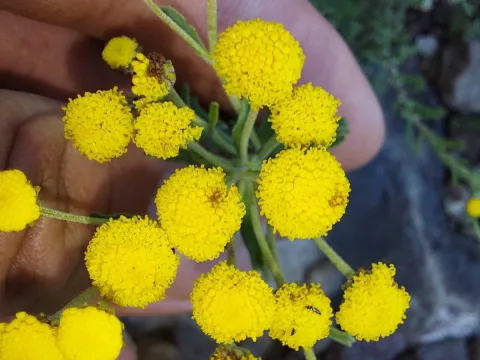
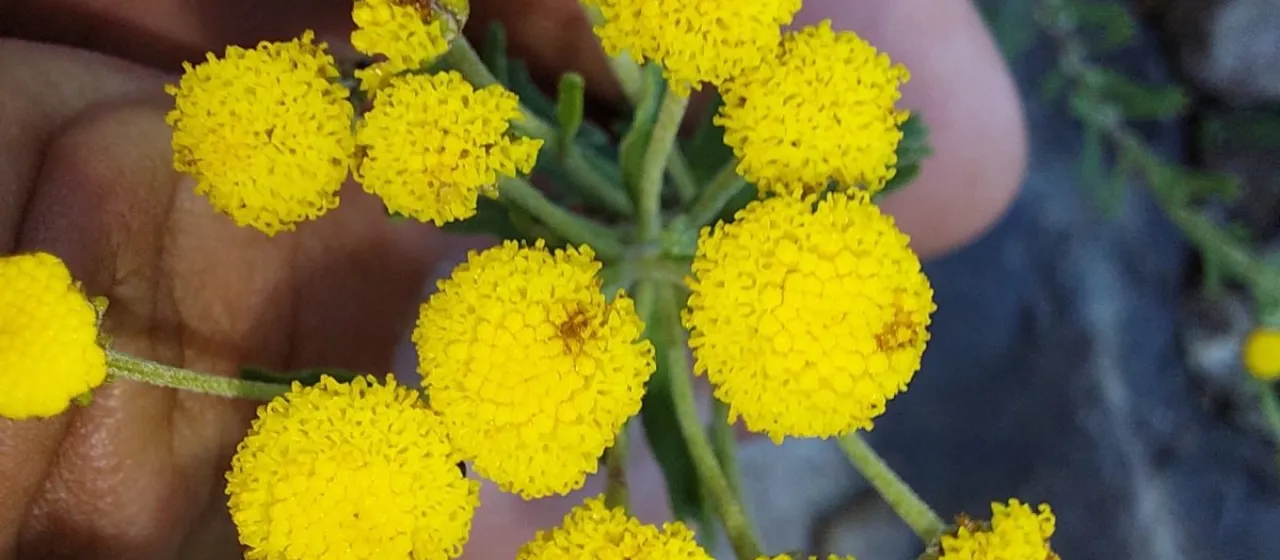
Botanically, it is characterized by a dense, branching habit with finely divided, pubescent leaves. The small, yellow, button-like flower heads are a diagnostic trait of the genus. These morphological adaptations, such as leaf hairiness, serve as a protective mechanism against intense heat and dehydration.
In terms of agronomy, the crop thrives in well-drained, sandy or gravelly soils. It requires full sun exposure and is highly sensitive to waterlogging, which can cause root rot. Standard cultivation practices prioritize minimal soil disturbance and the maintenance of a dry, aerated soil profile to mimic its natural habitat.
From an agricultural standpoint, Pentzia cooperi is primarily utilized as forage for small ruminants, including sheep and goats. It provides essential nutrition during dry seasons, making it a valuable asset for pastoral farming. Additionally, it plays a vital role in land management by helping to prevent soil erosion in sensitive, dry ecosystems.
Photo gallery