
Peperomia polybotrya
Peperomia polybotrya Kunth
Description
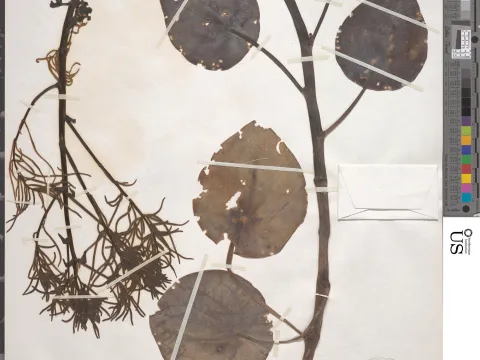
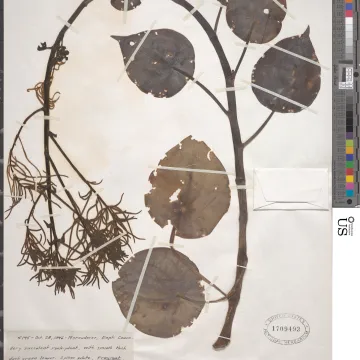
Peperomia polybotrya is a perennial herbaceous plant belonging to the Piperaceae family. It is widely recognized in cultivation for its attractive, heart-shaped, glossy leaves that have a waxy appearance. This species is highly valued in horticulture for its architectural structure and relative ease of maintenance in indoor environments.
The plant originates from the tropical regions of South America, specifically the mountainous forests of Peru and Colombia. In its natural habitat, it thrives in environments characterized by filtered light and nutrient-rich, well-draining forest soils, often growing as an epiphyte or lithophyte in crevices protected from direct exposure.
The botanical characteristics include succulent stems and thick, fleshy leaves that store water, allowing the plant to survive periodic dry spells. Its root system is relatively shallow and sensitive, requiring careful management of soil moisture. The plant typically reaches a moderate height, making it an ideal specimen for decorative containers.
Agricultural requirements for successful cultivation include a porous, fast-draining substrate to prevent moisture accumulation. Peperomia polybotrya performs best in bright, indirect sunlight and prefers stable temperatures between 18°C and 25°C. Excessive irrigation is the most common cause of decline, as the roots are highly susceptible to rot in anaerobic conditions.
- Light: Bright, indirect light is essential.
- Watering: Allow the top layer of soil to dry out between waterings.
- Soil: Well-draining, peat-based or succulent-specific mix.
- Temperature: Keep between 18°C and 25°C.
The primary use of Peperomia polybotrya is in decorative horticulture and interior landscaping. It serves as a popular choice for indoor office and residential environments due to its aesthetic appeal, compact size, and ability to thrive in controlled indoor climates. It is frequently featured in modern botanical design.
Common health issues include root rot caused by improper watering practices and infestations by pests such as mealybugs and spider mites. Monitoring the underside of the leaves and maintaining appropriate humidity levels are the primary defensive strategies. Regular inspection and localized treatment with horticultural soaps are recommended to keep the plants healthy.
Photo gallery