Description
Perama hirsuta is a perennial herbaceous plant belonging to the Rubiaceae family. While not a conventional agricultural crop in the sense of food production, it holds significant interest for botanists and researchers focusing on the diverse flora of the South American tropics. The plant is noted for its distinctive structural characteristics and its ability to thrive in specific environmental niches.
The native range of Perama hirsuta is primarily located in South America, particularly within the tropical regions of Brazil and nearby countries. It is typically found in savanna-like environments or wetland margins, where it has evolved to cope with acidic soils and specific moisture gradients that are characteristic of these ecologically sensitive regions.
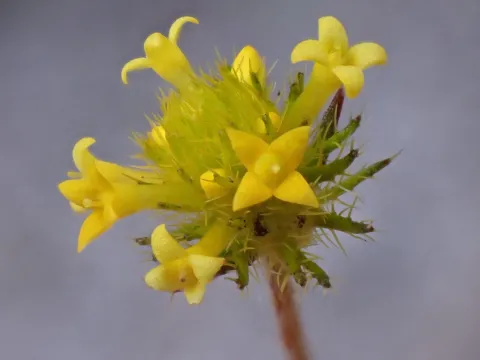
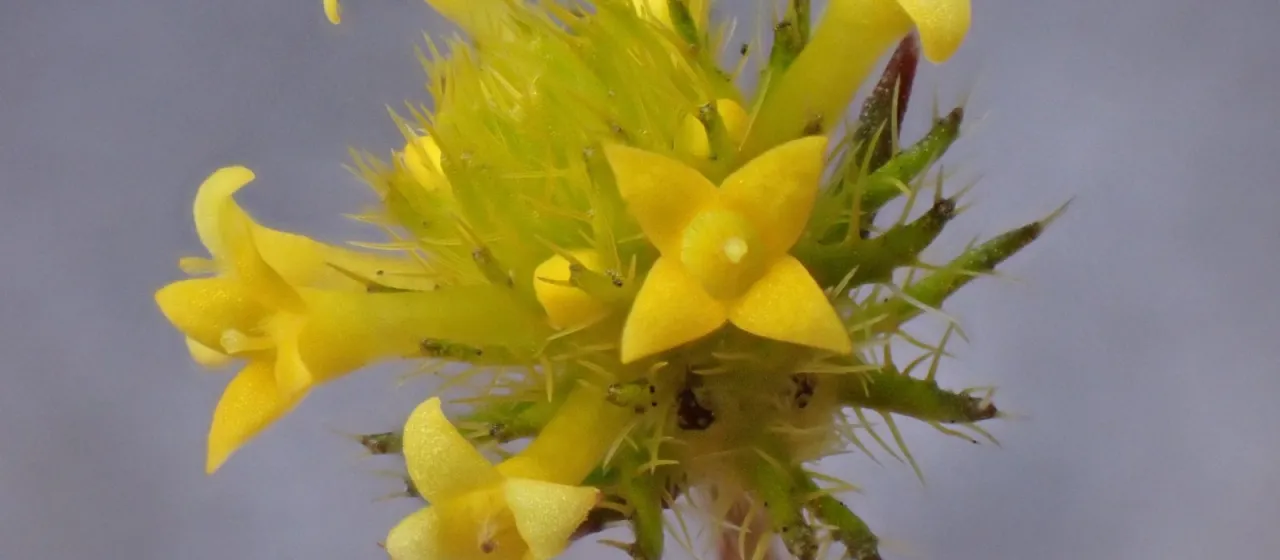
From a botanical standpoint, the plant is characterized by its hirsute (hairy) stems and foliage, which are specialized morphological adaptations. The inflorescences are typical of the Rubiaceae family, consisting of clustered, small flowers that are structurally designed for effective reproduction within its native habitat. Its root system is generally adapted to poor, nutrient-deficient soils, allowing it to compete effectively.
Cultivation requirements for Perama hirsuta are rigorous, necessitating a climate that mimics its tropical home. This includes high atmospheric humidity and constant temperatures. In terms of soil composition, the plant demands acidic, well-draining substrates that do not retain excess water but maintain sufficient moisture to prevent desiccation. It is sensitive to rapid changes in environmental conditions, which makes it a demanding species for cultivation.
The economic and practical use of Perama hirsuta is currently limited, as it is primarily managed for conservation and academic observation. However, as interest in rare tropical species grows, there is potential for its inclusion in specialized botanical research, particularly concerning its chemical compounds or as a subject for studying plant adaptation to tropical environments. Future studies might reveal secondary metabolites of interest for potential medicinal or horticultural applications.
Photo gallery