Periandra coccinea
Periandra coccinea
Description
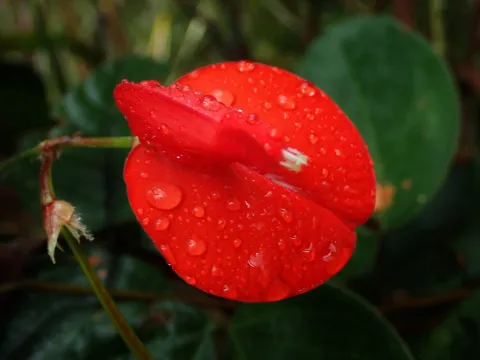
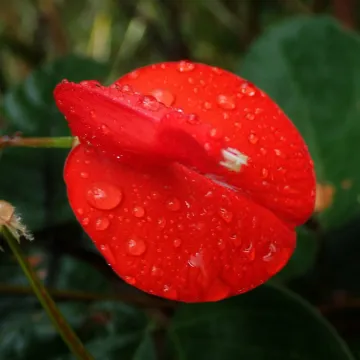
Periandra coccinea is a perennial herbaceous plant belonging to the diverse Fabaceae family. Known for its vivid red blossoms, this species is highly regarded not only for its ornamental potential but also for its significant pharmacological profile. The genus Periandra is characterized by specific chemical compositions in its root system, often containing unique saponins.
The plant originates from the tropical regions of South America, with its primary native habitat in Brazil. It flourishes in woodland environments where rainfall is abundant and temperatures remain warm throughout the year. Due to these geographical origins, the plant requires specific climatic conditions that simulate its natural habitat when being introduced into agricultural or greenhouse settings.
Botanically, Periandra coccinea features pinnate leaves and complex root architectures, which are often the focal point for harvesting and research. The plant displays growth patterns ranging from trailing stems to small semi-shrub formations depending on environmental stressors. Flowers are typically arranged in dense clusters that attract pollinators, facilitating seed production.
Agronomic requirements for this culture are centered on soil quality and climate stability. It prefers nutrient-rich, well-draining soils and is particularly sensitive to waterlogging, which can lead to root rot. Successful cultivation requires a frost-free environment and protection from extreme temperature fluctuations. Consistent humidity levels are essential for maintaining optimal leaf turgor and vegetative health.
The primary economic use of this plant is found in the medicinal and chemical industries, where its roots are studied for potential therapeutic applications. Furthermore, it holds value as a niche decorative plant for specialized nurseries and indoor horticulture. As a crop, its management involves careful harvesting of root biomass to ensure sustainable productivity while maintaining the health of the perennial stand.
- Requires consistent high temperature for optimal growth.
- Prefers partial shade to bright, indirect sunlight.
- Needs regular monitoring for pests such as aphids or mites.
- Requires a neutral pH balance in the growth medium.
Photo gallery