Pericallis aurita
Pericallis aurita
Description
Pericallis aurita is a species of perennial herbaceous plant or subshrub belonging to the Asteraceae family. Known for its aesthetic appeal, this plant is primarily recognized within the horticultural sector as a rare ornamental species. It serves as a fascinating example of the specialized flora native to the Macaronesian region, requiring precise environmental management for successful development.
The origin of Pericallis aurita is limited to the Canary Islands, where it thrives as an endemic species. Its natural habitat is typically found in the humid, misty zones of laurel forests. Because it has evolved in such specific, temperate conditions, the plant is highly sensitive to environmental stress, necessitating careful placement within greenhouse or conservatory environments in non-native regions.
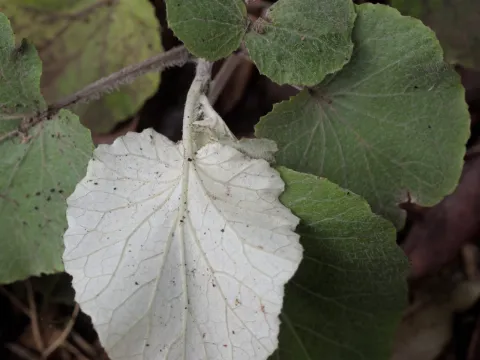
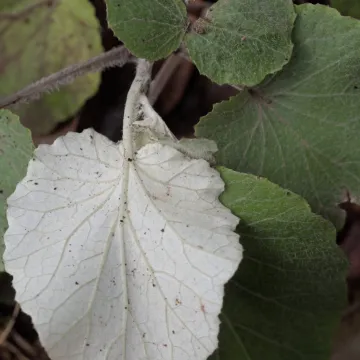
Botanically, the plant features distinctive, ear-shaped leaves that give it its specific epithet. It develops sturdy stems that support clusters of daisy-like flower heads arranged in loose corymbs. The floral coloration is a key feature, often displaying vibrant shades of purple, violet, or magenta, which makes it a desirable specimen for ornamental horticulture and plant collectors.
Cultivation requirements involve maintaining high humidity and avoiding extreme temperature fluctuations. The soil must be well-draining, rich in organic matter, and kept consistently moist but not waterlogged. In a horticultural setting, providing filtered light is essential to prevent leaf scorch, as the plant is adapted to the semi-shaded environment of its native mountain forests.
The primary use of this crop is aesthetic, serving as an ornamental plant for indoor displays and specialized collections. Growers must be vigilant against common agricultural pests such as aphids and whiteflies, which frequently infest this species. Additionally, fungal pathogens, particularly those causing root rot, pose a significant risk, making soil aeration and careful irrigation scheduling critical components of the agrotechnical management plan.
Photo gallery