Pericome caudata
Pericome caudata
Description
Pericome caudata, commonly known as mountain tailleaf, is a perennial herbaceous plant belonging to the Asteraceae family. This species is recognized for its adaptability to high-altitude environments and its distinctively pungent foliage, which produces a strong scent when crushed, acting as a defense mechanism against local herbivores.
The plant is native to the mountainous regions of the southwestern United States and northern Mexico. It typically inhabits rocky slopes, canyons, and dry mountain foothills, thriving in locations where other vegetation struggles to survive due to thin, rocky, and fast-draining soils. Its distribution range is limited to these specific arid environments.
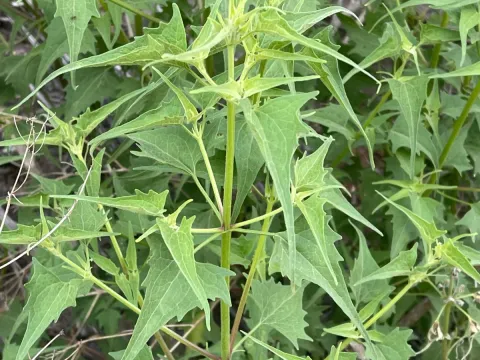
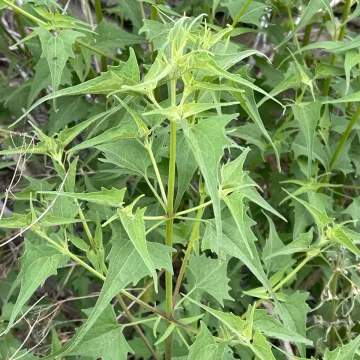
Botanically, it is defined by its erect, branching stems and triangular-to-lanceolate leaves that often taper to a slender, tail-like point. During late summer and autumn, the plant produces clusters of terminal, yellow disc-shaped flower heads. The overall structure of the plant allows it to minimize water loss while maintaining sufficient photosynthetic capacity under intense sunlight.
For successful cultivation, Pericome caudata requires full sun exposure and excellent soil drainage. It is an ideal candidate for xeriscaping, as it is highly drought-tolerant once established. It performs best in poor, sandy, or rocky soils, mimicking its natural habitat. Regular pruning after the flowering season can help maintain a tidy shape and encourage stronger growth in the following year.
Its primary use is ornamental, specifically for rock gardens, dry borders, and landscapes designed for water conservation. While generally hardy, the plant can be susceptible to common pests such as aphids or spider mites, especially in confined garden conditions. Proper spacing and airflow are crucial to prevent fungal issues, such as powdery mildew, which can occur if the foliage remains wet for too long.
Photo gallery