Pernettya macrostigma
Pernettya macrostigma
Description
Pernettya macrostigma is a low-growing evergreen shrub belonging to the Ericaceae (heath) family. It is widely recognized in horticultural circles for its dense, spreading growth habit, which makes it an ideal candidate for ground cover applications or specialized alpine and rock garden designs.
The plant originates from New Zealand, where it naturally inhabits montane and subalpine environments. This geographic origin dictates its preference for cooler climates and specific soil conditions, distinguishing it from general-purpose landscaping shrubs and requiring gardeners to replicate its native environmental parameters to ensure healthy development.
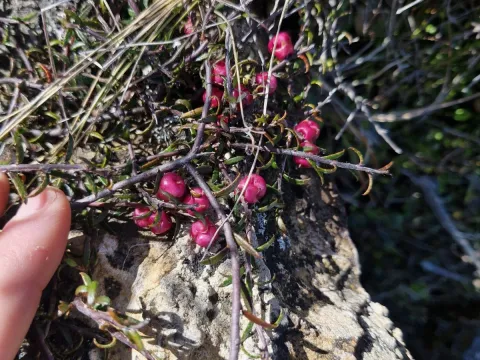
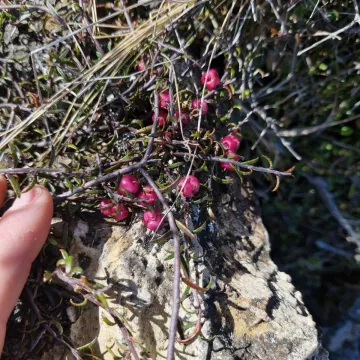
Botanically, Pernettya macrostigma is characterized by small, leathery leaves and delicate bell-shaped flowers. The most significant feature of this species is its fruit: fleshy, rounded berries that exhibit a range of hues from white to pinkish-purple. These berries provide significant visual interest during the autumn and winter months, persisting on the plant long after the flowering season has passed.
Cultivation requires adherence to strict horticultural standards for acid-loving plants. The soil must be acidic, well-draining, and rich in organic matter, such as peat or pine bark. The species thrives in partial shade, where the risk of heat stress is minimized and moisture levels remain consistent. It is imperative to avoid waterlogged conditions, as the root system is sensitive to poor drainage.
While relatively low-maintenance, the plant can be susceptible to fungal infections in humid, stagnant air or to common sap-sucking pests during hot, dry spells. It is primarily used for its aesthetic value in landscape design, though it is important to note that the berries are ornamental and potentially toxic if ingested, making careful placement necessary in gardens accessible to pets or small children.
- Regular monitoring of soil pH levels.
- Application of acidic fertilizers during the growing season.
- Maintaining a consistent layer of mulch to cool the root zone.
- Pruning to remove dead wood and encourage dense lateral growth.
Photo gallery