Description
Perralderia coronopifolia is a perennial herbaceous plant belonging to the Asteraceae family. Known for its remarkable resilience, this species is a specialized subject of study in arid-land botany, representing unique adaptations to challenging environments where most conventional agricultural crops fail.
The plant originates from the arid ecosystems of North Africa, primarily found in Algeria. Its natural distribution is restricted to regions characterized by low precipitation and high thermal variability. These conditions have shaped the plant's evolutionary strategy, favoring water-use efficiency and structural integrity under stress.
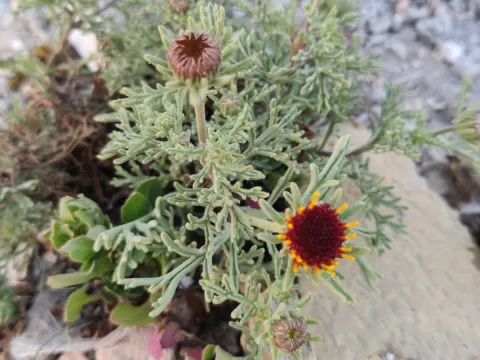
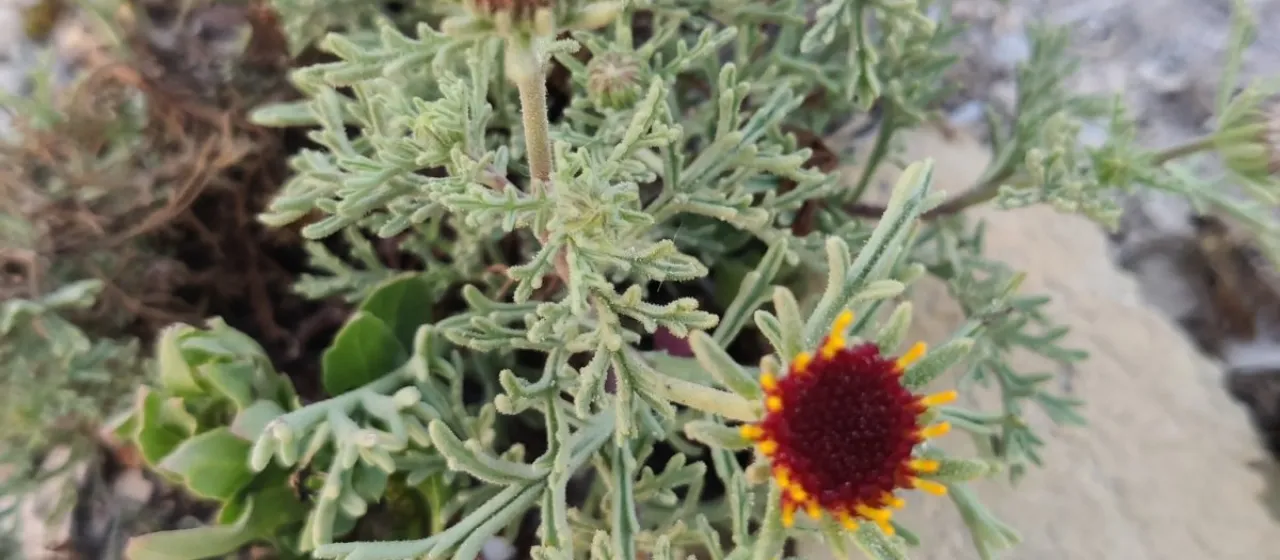
Botanically, Perralderia coronopifolia is identified by its distinct foliage and a deep, robust root system that facilitates the extraction of moisture from deeper soil layers. The plant typically exhibits a low-growing habit, which helps protect it from wind erosion and excessive solar exposure during the peak growth season.
Cultivation requirements necessitate well-drained, sandy, or rocky soils that mimic its native habitat. It is highly intolerant of waterlogged conditions, which are detrimental to its root health. While it does not require intensive agricultural input, monitoring for drainage efficiency and maintaining the soil's porous structure is critical for successful development.
The practical application of this species is largely centered on its potential for stabilizing degraded arid lands and as a candidate for research into secondary metabolites. Its inherent resistance to common pests makes it an interesting subject for comparative research in plant pathology and agricultural biology within harsh environments.
Photo gallery