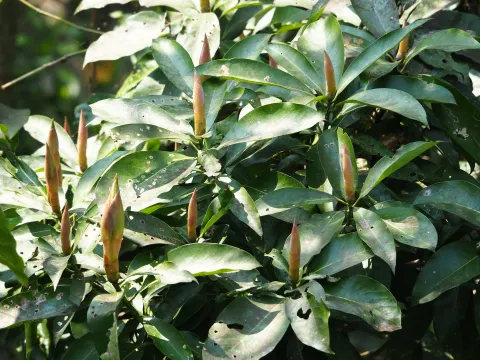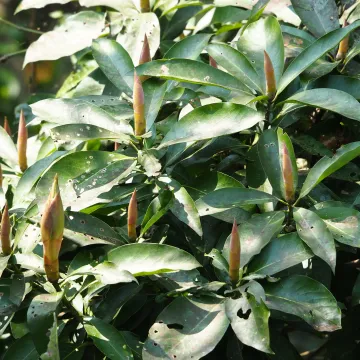
Persea japonica
Persea japonica
Description
Persea japonica is an evergreen tree species belonging to the Lauraceae family. While related to better-known members of the genus such as the avocado, this specific tree is primarily noted for its ornamental value and its specific adaptation to the East Asian climate. It serves as a significant botanical subject for research into temperate-subtropical woody plants.
The native distribution of Persea japonica spans parts of East Asia, including Japan and coastal regions of China. The plant thrives in environments characterized by high ambient humidity and mild, temperate winters. It is frequently observed in botanical gardens and protected landscapes where its dense foliage provides a lush, aesthetic appeal throughout the changing seasons.
Botanically, Persea japonica is recognized by its leathery, dark green leaves and a structured growth habit. The tree produces small flowers in clusters, which contribute to the local biodiversity by providing nectar for pollinators. The fruit, small and drupe-like, is a food source for various birds, which in turn aids in seed dispersal and the natural maintenance of its ecosystem.
Cultivation of this species requires meticulous attention to environmental conditions. It performs best in deep, fertile, and well-drained soils. A crucial agronomic requirement is the maintenance of proper soil moisture; although the tree enjoys water, it cannot tolerate "wet feet" (waterlogged soil), which often leads to root rot pathogens. Selecting a site with wind protection is essential for young specimens.
Best practices for agricultural maintenance include:
- Regular monitoring of soil drainage to prevent fungal infections.
- Application of balanced organic mulch to stabilize soil temperature.
- Routine pruning during dormancy to remove dead or diseased wood.
- Supplemental irrigation during prolonged dry spells in the summer.
In terms of economic and practical use, the tree is primarily utilized in landscaping and horticultural projects. Its hardiness and aesthetic properties make it a favored choice for private gardens and public park areas in suitable climate zones. Additionally, the wood and chemical components of the Lauraceae family are often subject to scientific investigation for potential industrial or pharmaceutical applications.
Photo gallery