Tufted knotweed
Persicaria caespitosa
Description
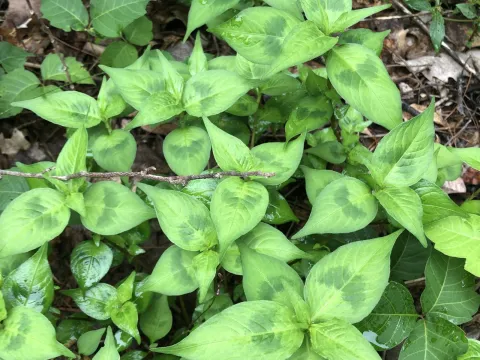
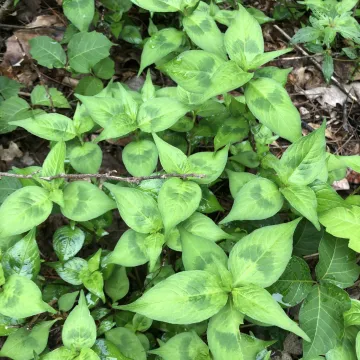
Tufted knotweed (Persicaria caespitosa) is an annual herbaceous plant belonging to the Polygonaceae family. While often categorized as a weed in agricultural landscapes, it exhibits significant biological resilience and is an interesting subject for studies on plant adaptation within disturbed ecosystems.
The native range of this species covers regions of East Asia, including China and Japan. Due to its effective seed dispersal mechanisms, it has successfully established populations in various temperate climates across the globe, including North America. It thrives in moist habitats, showing a clear preference for riparian zones, wet ditches, and agricultural fields with high moisture retention.
Botanically, Persicaria caespitosa is characterized by its decumbent to erect stems and lanceolate leaves featuring prominent ocreae. The plant produces small pinkish to purple flowers clustered in spiky inflorescences. Its root system is relatively shallow but extensive, allowing it to quickly establish itself in loose or damp soil conditions where other vegetation might struggle.
Agronomically, this species is considered a competitor for resources such as light, moisture, and nitrogen in field crops. Management strategies focus on proactive soil tillage, appropriate crop rotation, and the application of selective herbicides during the early seedling stage. Ensuring proper field drainage can also serve as a preventive measure, as the plant prefers consistently moist environments.
Although it holds no major commercial value as a crop, it provides insights into weed dynamics. Typical issues encountered with this species include:
- Heavy infestations in low-lying crop areas.
- Susceptibility to fungal pathogens, including various leaf spot diseases.
- Competition with broad-leaved crop varieties for nutrients.
- Attraction of sap-sucking pests like aphids that may act as vectors for viruses.
Photo gallery