Persicaria dichotoma
Persicaria dichotoma
Description
Persicaria dichotoma is an herbaceous perennial plant species belonging to the Polygonaceae family. It is a specialized plant known for its distinct botanical structure and preference for humid environments, making it a subject of interest in both ecological restoration and specific agricultural niche studies.
The plant originates from Southeast Asia, where it is found in diverse habitats, primarily in wetlands, riverbanks, and marshy meadows. Its natural distribution is largely determined by the availability of stable, waterlogged, or highly moist soil conditions throughout the growing season.
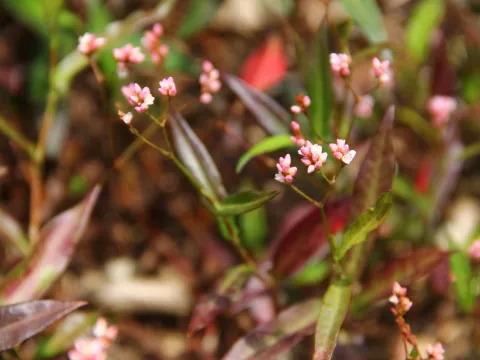
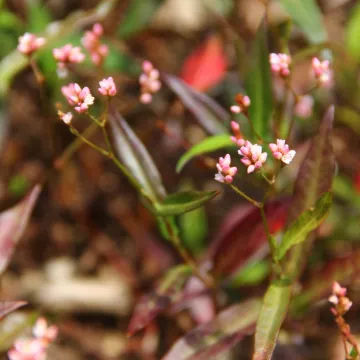
Botanically, the species is recognized by its characteristic dichotomous branching pattern, which gives the plant its name. It typically features lanceolate leaves and a flexible stem structure that allows it to grow in dense, sprawling mats. This morphology is an evolutionary adaptation to facilitate rapid colonization of wet substrates.
Regarding climate and agronomy, Persicaria dichotoma thrives in warm, humid conditions. It requires consistent soil moisture and nutrient-rich, preferably silty or alluvial soils. Agricultural management focuses on maintaining high humidity levels; the plant is not tolerant of prolonged drought, and in managed settings, protection from frost is essential for its survival.
The host of potential uses for the plant includes its role in phytoremediation, soil stabilization along water bodies, and as a source of biomass in specific ecological contexts. Growers should be aware of common issues, such as fungal pathogens that flourish in stagnant, overly wet conditions. Typical maintenance includes monitoring for insect pests and ensuring adequate air circulation to prevent leaf blights.
Photo gallery