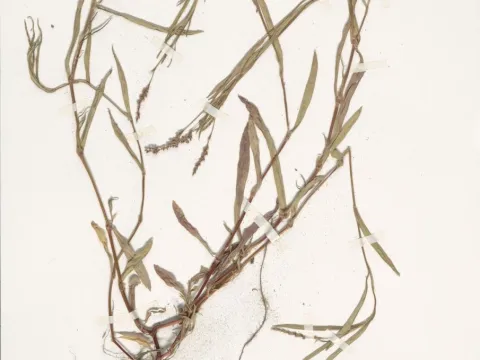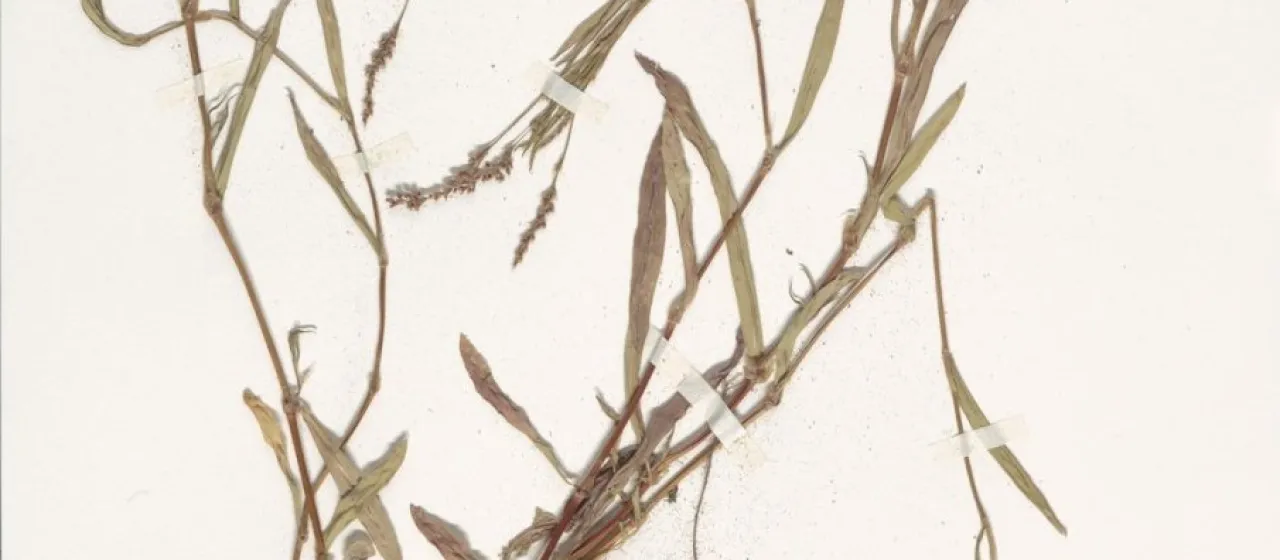
Description
Small knotweed (Persicaria erectominor) is an annual herbaceous plant belonging to the Polygonaceae family. It is recognized in agronomy for its high ecological plasticity, enabling it to thrive in wet habitats where conventional agricultural crops might struggle to establish or produce high yields.
The plant originates from various regions of Eurasia and is naturally found along rivers, on wet meadows, and in marshy areas. Today, it is increasingly viewed as a prospective agricultural crop for specialized sectors, particularly in regions where land reclamation and the use of poorly drained soils are strategic priorities.
Botanically, Persicaria erectominor is characterized by thin, often procumbent stems and lanceolate leaves that may display a distinct dark spot. Its root system is shallow but highly branched, facilitating the efficient absorption of nutrients and water from surface soil layers. Small, pinkish or white flowers arranged in spike-like inflorescences bloom throughout the active growing season.
Agronomic requirements emphasize the maintenance of consistently high soil moisture levels. The plant prefers fertile, loamy, or peaty substrates with a neutral to slightly acidic pH. Effective cultivation techniques involve shallow tillage to prevent soil crusting and the application of organic fertilizers to support rapid biomass accumulation during the early vegetative phase.
- Rich content of flavonoids and biologically active compounds.
- Excellent tolerance to temporary soil waterlogging.
- Rapid biomass production cycle.
- Potential application in the pharmaceutical and nutraceutical industries.
The economic value of small knotweed lies primarily in its medicinal properties, particularly as a source of raw materials for hemostatic and anti-inflammatory drugs. In agricultural practice, it requires monitoring for fungal diseases such as powdery mildew, which can proliferate under high humidity. Common pests, including slugs and leaf beetles, are controlled through integrated pest management strategies to ensure optimal crop health.
Photo gallery