Rusty knotweed
Persicaria ferruginea
Description
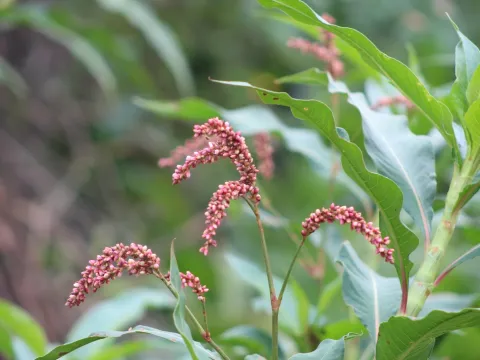
Rusty knotweed (lat. Persicaria ferruginea) is a perennial herbaceous plant belonging to the Polygonaceae family. It is a highly adaptable species known for thriving in wetland habitats and saturated soil conditions, making it a unique asset for ecological land management.
Originating from tropical and subtropical regions of the Americas, this species has been recognized for its role in natural ecosystems. Its presence is often associated with riparian zones and marshy areas where it contributes to nutrient cycling and the stabilization of aquatic substrate through its extensive root system.
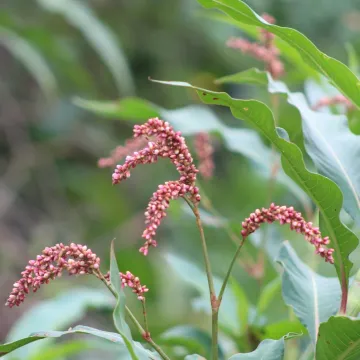
Botanically, the plant is characterized by its distinct, often ferruginous-colored leaves, which are lanceolate and equipped with glandular trichomes. The stems can grow quite robustly, supporting terminal spike-like inflorescences that produce small, dense flowers. These structural features allow it to maintain dominance in high-moisture environments.
Agrotechnical requirements focus primarily on water management. The crop demands consistently moist to waterlogged soil conditions and prefers nutrient-rich substrates. It thrives in warm climates with temperatures between 20°C and 30°C. Maintaining soil fertility through organic amendments is recommended to support continuous growth cycles throughout the season.
The primary agricultural and environmental use involves phytoremediation, specifically the extraction of pollutants from aquatic systems and industrial runoff. While generally resistant, the crop may be susceptible to localized fungal infections and common aphid infestations. Effective crop protection involves site monitoring and avoiding extreme physiological stress, such as sudden drought or severe water stagnation in cold temperatures.
Photo gallery