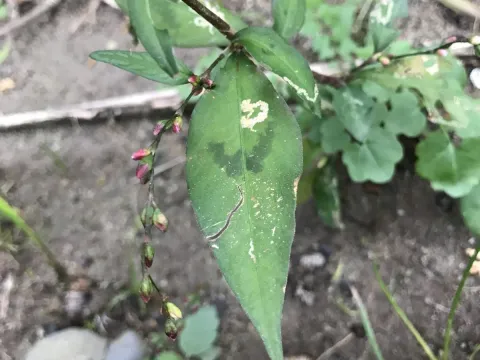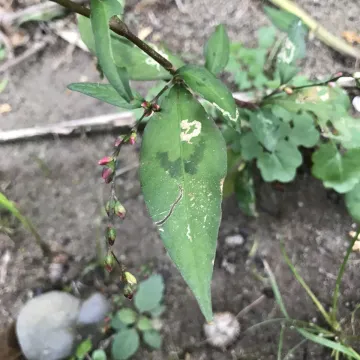
Persicaria flaccida
Persicaria flaccida
Description
Persicaria flaccida is an annual herbaceous plant belonging to the Polygonaceae family. Often characterized by its preference for aquatic or semi-aquatic habitats, this species has gained attention in agricultural studies for its rapid biomass production and adaptive potential. It serves as a significant botanical representative of the genus, exhibiting distinct morphological traits that differentiate it from other related knotweeds.
Native to the tropical and subtropical regions of Asia, the plant has a wide distribution range encompassing various ecological zones. It naturally thrives in moist environments, including riverbanks, marshes, and periodically flooded agricultural lands. Due to its origin, the species is best adapted to regions with warm climates, where consistent hydration is available throughout the growing season.
Botanically, Persicaria flaccida features erect or decumbent stems that can reach significant heights under optimal conditions. The leaves are typically lanceolate and often possess glandular punctations. The inflorescence consists of slender, spike-like racemes featuring pink or white florets. This species is known for its robust root system, which helps stabilize soil in riparian zones and promotes efficient nutrient uptake.
The agronomic management of this crop requires specific attention to soil moisture levels and light exposure. The following practices are essential for successful cultivation:
- Maintaining consistently moist soil to prevent wilting and growth stagnation.
- Selecting well-drained but water-retentive substrates to avoid root rot.
- Providing nitrogen-rich fertilizers to encourage vegetative development.
- Implementing precise spacing to facilitate airflow and minimize the risk of humidity-related pathogens.
Regarding хозяйственное use, Persicaria flaccida is utilized in various sectors. It is increasingly valued as a potential green manure crop due to its organic matter content. Furthermore, extracts from the plant are being researched for medicinal properties, particularly for their anti-inflammatory applications. It also serves an ecological role in soil stabilization and as a natural buffer in agricultural water management systems.
Plant health management is essential to prevent common issues such as powdery mildew, which tends to occur in dense, humid conditions. Pests such as aphids and spider mites can also impact yields if not managed early. Integrated pest management (IPM) strategies, including biological controls and careful monitoring, are recommended to protect the crop without relying excessively on chemical inputs.
Photo gallery