Persicaria hastatoauriculata
Persicaria hastatoauriculata
Description
Persicaria hastatoauriculata is a perennial herbaceous plant belonging to the Polygonaceae family. In agronomic practices, this species is noted for its unique morphological structure and its adaptation to moisture-rich environments, making it a subject of interest for both decorative and ecological agricultural applications.
The plant originates from East Asia, primarily inhabiting regions where it thrives along water banks, wetlands, and moist meadows. Given its natural habitat, successful cultivation requires geographical areas that can replicate these humid conditions, ensuring the plant receives adequate moisture throughout its active growing season.
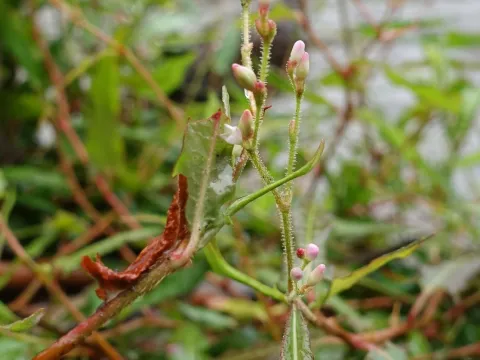
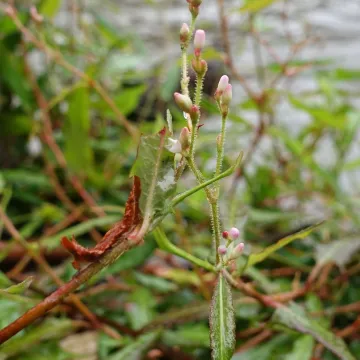
Botanically, the species is defined by its hastate or spear-shaped leaves, which possess distinctive auricles at the base. The stems are upright and branched, capable of reaching significant heights under optimal conditions. The inflorescences appear as terminal or axillary racemes, contributing to the plant's aesthetic value and role in supporting local pollinator populations.
Cultivation guidelines emphasize strict adherence to moisture management and soil quality. Essential maintenance steps include:
- Soil: Rich, loamy, and moisture-retentive substrates are preferred.
- Watering: Consistent irrigation is crucial, as the plant does not tolerate prolonged drought.
- Light: It thrives best in partial shade to full sun, provided the soil remains consistently moist.
- Nutrients: Balanced fertilization is recommended during the early growth stages to support canopy development.
The agricultural and economic utility of Persicaria hastatoauriculata is centered around its role in landscape engineering, specifically for erosion control near water bodies and the enrichment of wetland biodiversity. Furthermore, research into its biochemical profile continues to explore its potential application in specialized sectors, such as phytoremediation of heavy metals in specific soil types.
Regarding plant health, the species is susceptible to common fungal infections, including powdery mildew and various leaf spot diseases, especially in environments with stagnant air and high humidity. Pest management typically involves regular monitoring for aphids and leaf-eating beetles, with control measures focused on organic pesticides and proper spacing to improve air circulation within the crop canopy.
Photo gallery