Persicaria limbata
Persicaria limbata
Description
Persicaria limbata is a perennial herbaceous plant belonging to the Polygonaceae family. Widely recognized for its ability to thrive in aquatic and semi-aquatic environments, this species is increasingly studied for its roles in both ecosystem restoration and potential agricultural utility. Its botanical structure is adapted to waterlogged soils, making it unique among many common field crops.
The plant is native to tropical and subtropical regions of Africa and parts of Asia. It naturally occurs in wetlands, riparian zones, and floodplains, where it forms dense stands. This evolutionary background dictates its high tolerance to anaerobic soil conditions, a trait that makes it valuable for specialized land management in regions prone to seasonal flooding.
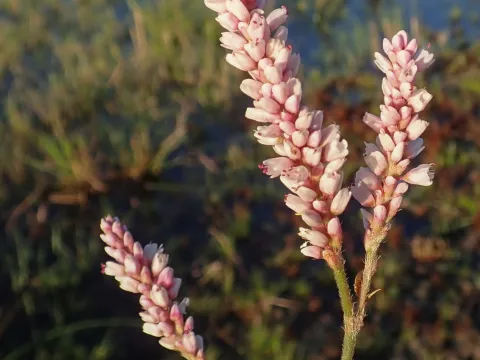
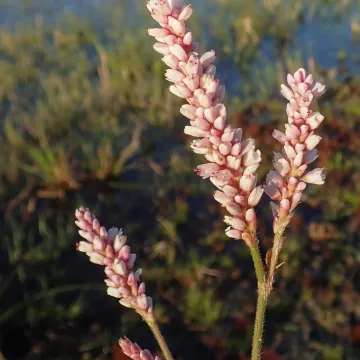
Morphologically, the plant features erect stems and lanceolate leaves, often characterized by a distinct marginal pattern. The inflorescence consists of dense, spike-like racemes that flower prolifically. These features not only contribute to its biomass production but also provide significant habitat value for local fauna, supporting biodiversity within the agricultural landscape.
Regarding agronomic requirements, Persicaria limbata thrives in nutrient-rich, silt-heavy soils with consistent moisture levels. Cultivation success depends on managing water depth effectively during the initial growth phase. Unlike many upland crops, it does not require complex irrigation infrastructure but does need protection from excessive dry periods, which can significantly impact yield and overall vigor.
In terms of agricultural use, this species is often utilized for soil stabilization along water bodies and as a potential source of green manure in specialized permaculture systems. It is generally resistant to many common terrestrial pests, though it may occasionally be affected by water-borne fungal pathogens or specific wetland insects. Regular field monitoring for leaf spot diseases is recommended to ensure optimal plant health during the growing season.
Photo gallery