Red dragon knotweed
Persicaria microcephala
Description
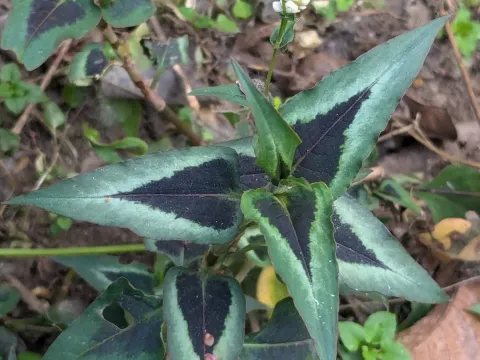
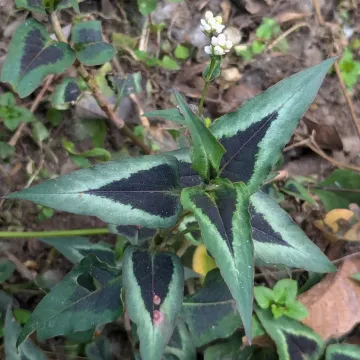
Red dragon knotweed (Persicaria microcephala) is a herbaceous perennial belonging to the Polygonaceae family. It is widely cultivated for its exceptional foliage, which often features vibrant, deep red or bronze markings with silvery undertones, making it a highly prized element in modern landscape design.
Originating from the mountainous regions of China and other parts of East Asia, this plant naturally thrives in cool, moist, and shady environments. Its native range is characterized by reliable rainfall and nutrient-rich forest floors, where it spreads effectively via rhizomes, creating thick, weed-suppressing ground cover.
Botanically, the plant is recognized by its lanceolate leaves and reddish-tinted stems. Its growth habit is primarily spreading or prostrate, although it can achieve significant height in ideal conditions. The inflorescences are small, spherical, and generally appear in late summer, providing a subtle contrast to the striking foliage.
To ensure optimal growth, Persicaria microcephala requires consistently moist, well-draining soil rich in organic matter. While it tolerates full sun in cooler northern climates, it generally prefers partial shade to prevent foliage scorch in warmer regions. Consistent moisture is the key to maintaining the vivid colors of the leaves throughout the growing season.
Regarding health management, the plant is relatively robust, though it may occasionally be affected by leaf spot or mildew if air circulation is poor or if the site remains excessively wet. Gardeners should prioritize proper spacing during planting and avoid overhead irrigation to mitigate fungal issues. Keeping the soil healthy through annual organic fertilization helps the plant maintain its vigor and resistance to typical pests.
Photo gallery