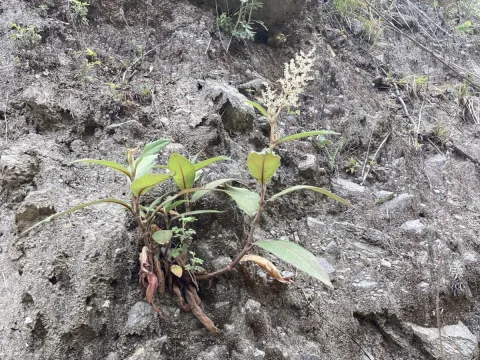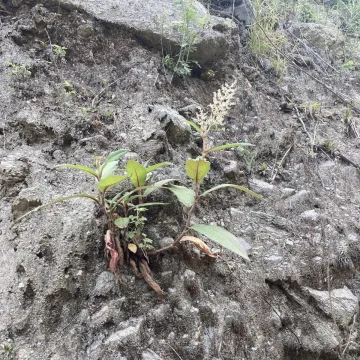
Soft knotweed
Persicaria mollis
Description
Soft knotweed (Persicaria mollis) is a robust perennial herb belonging to the Polygonaceae family. Widely recognized in the horticultural industry for its lush foliage and long-lasting late-summer bloom, this species offers a sophisticated texture to garden landscapes, distinguishing it from aggressive weed-like relatives.
Originating from the mountainous regions of the Himalayas and parts of East Asia, the plant is naturally adapted to cool, moist environments. Its global cultivation has expanded significantly as gardeners seek reliable, low-maintenance perennials that thrive in semi-shaded conditions and offer structural value.
Botanically, Persicaria mollis is characterized by its soft, velvety, lance-shaped leaves and tall, arching stems reaching up to 1.2 meters. The plant produces dense, creamy-white panicles of flowers. These blooms are not only aesthetically pleasing but also attract various beneficial pollinators throughout the season.
Regarding cultivation, this species requires a site with fertile, moisture-retentive soil. While it tolerates full sun in cooler climates, it prefers partial shade in warmer regions to prevent leaf scorch. Regular irrigation is the primary maintenance requirement; the plant should never be allowed to dry out completely during the summer months.
Economically and ornamentally, it is used extensively in mass plantings, woodland edges, and as a backdrop for mixed borders. Despite its vigor, it is generally resistant to major pests. Gardeners should watch for powdery mildew in humid, poorly ventilated areas, which can be managed through proper spacing and regular sanitation practices.
Photo gallery