Senegal smartweed
Persicaria senegalensis
Description
Senegal smartweed (Persicaria senegalensis) is a perennial herbaceous plant belonging to the Polygonaceae family. It is recognized for its adaptation to aquatic and semi-aquatic habitats, making it a distinct subject of study within the broader classification of wetland vegetation. The plant exhibits significant phenotypic plasticity, allowing it to thrive in varying water levels.
Native to tropical Africa, its geographical distribution is closely linked to riparian zones and seasonal wetlands. The plant has evolved within ecosystems characterized by high temperatures and rhythmic hydrological cycles. In agricultural practice, understanding its native environmental requirements is crucial for managing its growth in either natural or controlled wet cultivation sites.
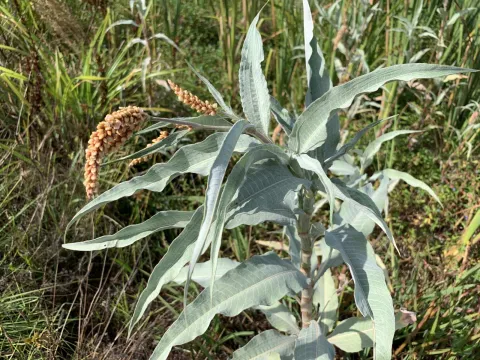
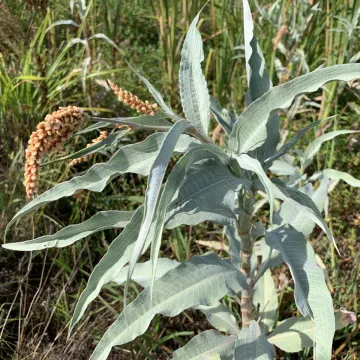
Botanically, Persicaria senegalensis is characterized by erect to decumbent stems that can grow quite tall in optimal conditions. The leaves are generally lanceolate, and the flowers are arranged in spikes, typical of the genus. Its root system is particularly adept at extracting nutrients from waterlogged, anaerobic substrates, a feature that distinguishes it from many terrestrial crops.
From an agrotechnical perspective, this crop requires consistent soil moisture. It performs best in nutrient-rich soils that receive full to partial sunlight. Irrigation management is the primary factor in its cultivation, as the plant necessitates constant access to water to prevent wilting and to maintain its high rate of vegetative growth. Weed control is essential during the establishment phase to ensure the crop has sufficient access to light.
Economic and agricultural utilization of the species includes:
- Source of organic matter for soil improvement in wetland agriculture.
- Traditional medicinal applications in local African communities.
- Potential use in phytoremediation projects to improve water quality.
Regarding plant health, Persicaria senegalensis is susceptible to various fungal pathogens that thrive in humid environments, such as leaf spot diseases. Pests can include stem-boring insects and aquatic invertebrates that feed on succulent tissues. Implementing integrated pest management strategies, focusing on biological controls and proper site drainage, remains the standard approach for maintaining crop vigor.
Photo gallery