Persicaria strigosa
Persicaria strigosa
Description
Persicaria strigosa is a perennial herbaceous plant belonging to the Polygonaceae family. In agronomy, this species is noted for its ability to thrive in wetland environments, making it a subject of interest for both its ecological role in land management and its potential as a specialized crop in damp agricultural zones.
Originating from regions across Eastern and Southeastern Asia, including Japan, China, and India, the plant has adapted to diverse climatic conditions ranging from tropical to temperate wetlands. It naturally populates riverbanks, ditches, and moist forest margins, which serves as a guide for selecting suitable cultivation sites.
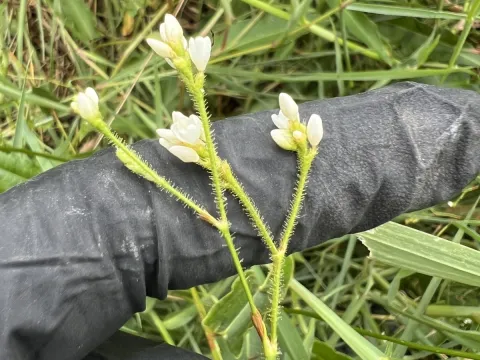
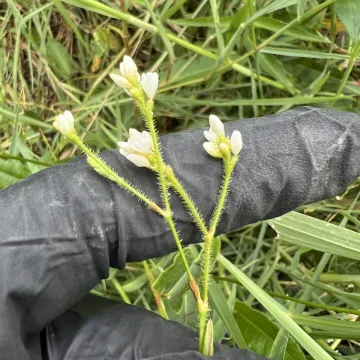
Botanically, Persicaria strigosa is characterized by its prostrate or climbing stems covered in stiff, bristly hairs. The foliage is typically lanceolate, and the plant produces dense, pinkish or white spike-like racemes. Its root system is vigorous, allowing for rapid vegetative expansion and effective soil binding capabilities in riparian zones.
Cultivation requirements necessitate high water availability. The crop performs best in nutrient-rich, moist-to-wet soils with a neutral or slightly acidic pH. Effective agronomic practices include site preparation that ensures consistent soil moisture levels and providing partial shade, as the species is sensitive to intense, prolonged drought or extreme, direct sunlight in high-temperature climates.
The primary utility of the plant includes:
- Utilization in traditional pharmacological applications due to its secondary metabolites.
- Application in bio-engineering for erosion control on canal banks and waterlogged farmlands.
- Potential research as a niche crop for biomass production in marginal, wet ecosystems.
The plant is susceptible to various fungal pathogens, such as leaf spot and mildew, particularly in conditions of poor air circulation and high humidity. In terms of pests, it is commonly targeted by mollusks like slugs and snails, as well as various leaf-mining insects that thrive in the same moist habitats where the plant grows.
Photo gallery