Common persicaria
Persicaria vulgaris
Description
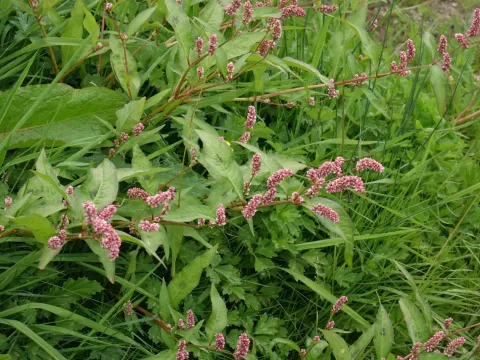
Common persicaria (lat. Persicaria vulgaris) is an herbaceous annual plant belonging to the Polygonaceae family. It is recognized in agricultural science for its resilience and adaptability to various temperate climates, making it a subject of interest in ecological studies and specific agricultural applications, including phytoremediation and fodder production.
The native range of this species covers vast regions of Eurasia. It typically colonizes wetlands, riverbanks, and nutrient-rich agricultural soils. Throughout history, the plant has been valued for its biochemical properties, which are derived from its ability to synthesize secondary metabolites that have potential use in organic farming and herbal manufacturing.
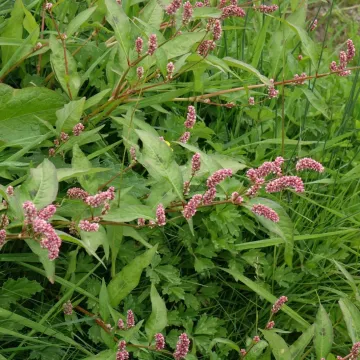
Botanically, the plant features a robust branching stem and lanceolate leaves that can vary in size depending on the available soil moisture. The flowers are arranged in dense terminal spikes, providing a long blooming period. Its root system is capable of stabilizing soil, which makes the plant useful in land management practices aimed at preventing erosion.
Optimal growth requires fertile, moist soils with a neutral pH balance. While the plant can tolerate short periods of waterlogging, it performs best in well-drained loamy soils. Agronomic practices for successful cultivation include:
- Ensuring consistent soil moisture throughout the vegetative stage.
- Applying light nitrogen-based fertilization to promote biomass growth.
- Monitoring for pest outbreaks, particularly during the flowering phase.
Regarding health and protection, common persicaria is susceptible to fungal infections like powdery mildew, especially under high humidity conditions. Insect pests such as aphids and curculionid beetles are the most frequent threats. Proper crop rotation and field sanitation are essential strategies to manage these risks and maintain healthy plant stands.
Photo gallery