
Petalidium englerianum
Petalidium englerianum
Description
Petalidium englerianum is a hardy perennial subshrub belonging to the family Acanthaceae. Known for its resilience, this species has evolved specifically to thrive in the harsh, arid environments of southern Africa, making it a subject of interest for research into desert-adapted flora.
The plant is native to the arid regions of Namibia, where it typically inhabits rocky terrain and mountain slopes. Its natural distribution is restricted to areas with sporadic rainfall and intense solar radiation. These geographical origins have shaped its biological resilience to heat and water scarcity.
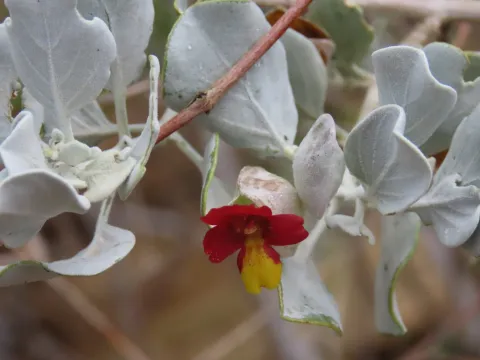
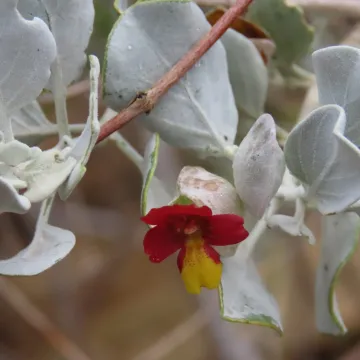
Botanically, Petalidium englerianum is characterized by a dense growth habit and morphological adaptations, such as leaf pubescence, which serves to reduce water loss via transpiration. The flowers exhibit a tubular structure typical of the Acanthaceae family, designed for effective pollination in desert conditions where insect populations may be dispersed.
Cultivation requirements are strict and demand a close imitation of its natural habitat. The soil must be exceptionally well-draining, consisting primarily of grit or rocky substrate. In terms of climate, the species requires high levels of light and heat, with a pronounced dry season to maintain its physiological balance and prevent root rot.
Economically, while not a commercial staple crop, the plant is valued in specialized landscaping and environmental engineering projects focused on erosion control in desert ecosystems. The primary phytosanitary risks involve root pathogens caused by poor drainage and excessive watering, which remain the most significant challenges in maintaining healthy specimens in greenhouse or garden settings.
Photo gallery