Petalostigma pubescens
Petalostigma pubescens
Description
Petalostigma pubescens, commonly known as the quinine berry, is a perennial shrub or small tree belonging to the Phyllanthaceae family. The plant is easily recognized by its dense, fine hairs covering the leaves and young stems, which provide a distinctive silvery-green appearance and act as a thermal protection mechanism in arid environments.
The species is native to Australia, found primarily across the northern and eastern regions of the continent. It thrives in diverse habitats, ranging from coastal forests to inland savannahs. The plant is highly adapted to tropical and subtropical climates, where it prefers sandy or skeletal soils that offer excellent drainage, ensuring the roots do not remain waterlogged.
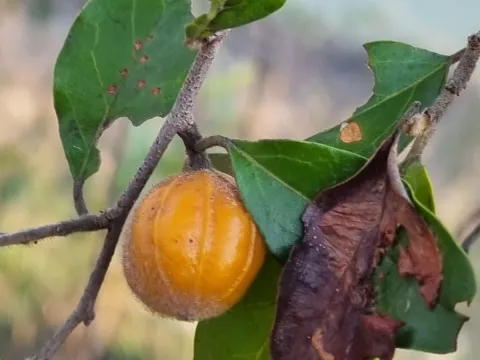
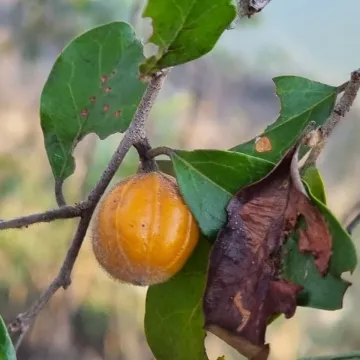
Botanically, it is classified as a dioecious species, meaning individual plants bear either male or female flowers. The fruits are small, woody, pumpkin-shaped capsules that contain seeds. While the fruits are extremely bitter, they are chemically complex, containing various bioactive alkaloids and tannins that have fascinated researchers for decades.
Cultivation of Petalostigma pubescens requires minimal human intervention. It is a drought-tolerant species that flourishes in full sun. In a garden or experimental nursery setting, the primary concern is the soil medium, which must mimic the natural well-drained conditions of its Australian habitat. Over-watering is the most common cause of decline in managed settings.
The economic and practical use of this plant is primarily centered on ethnobotanical applications.
- Indigenous Australians have historically utilized the bark and roots for medicinal purposes, including skin treatments.
- Ongoing pharmacological research is evaluating the antimicrobial properties of its leaf extracts.
- The plant serves as a significant source of nectar and habitat for native wildlife in its range.
The plant demonstrates high resistance to major pests and diseases, likely due to the high concentration of phytochemicals in its tissues. However, in enclosed glasshouse environments, it may be susceptible to soft-bodied insects like aphids or spider mites. Maintaining adequate airflow is essential to prevent fungal issues during high-humidity seasons.
Photo gallery