Kablik's butterbur
Petasites kablikianus
Description
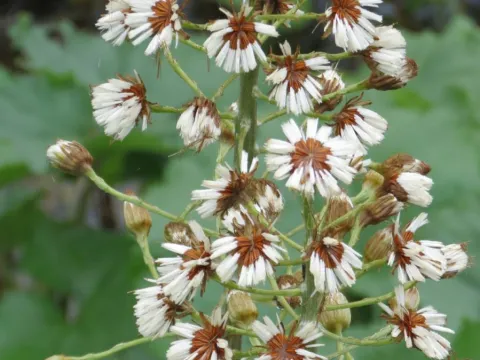
Kablik's butterbur (Petasites kablikianus) is a perennial herbaceous plant belonging to the Asteraceae family. Known for its robust growth and large, heart-shaped leaves, this species is highly regarded in specific agricultural contexts for its ability to stabilize soil and create dense ground cover. It is named in honor of the Czech botanist Josephine Kablik.
The plant originates from the mountainous regions of Central Europe, specifically the Carpathians and the Sudetes. Its natural habitat includes riverbanks, creek sides, and moist, shaded valleys. In cultivation, it thrives in environments that replicate these conditions, requiring consistent moisture and protection from intense, direct solar radiation throughout the growing season.
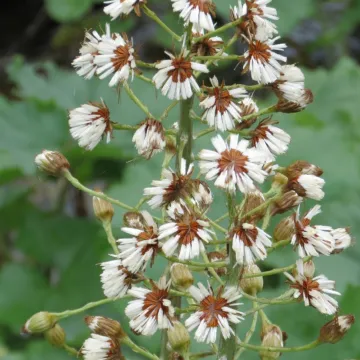
Botanically, Kablik's butterbur is characterized by a vigorous rhizome system that allows for rapid expansion. The foliage is massive, which effectively suppresses competitive weed growth. The flowering cycle begins in early spring; the plant produces dense, clustered inflorescences before the main leaf canopy is fully developed, making it a distinctive feature in the early spring landscape.
Agrotechnical requirements prioritize soil moisture and shade management. The species grows best in humus-rich, well-drained but consistently moist soils. In terms of maintenance, it is relatively low-input once established, provided the site does not experience prolonged drought. Propagation is typically performed via rhizome division, which ensures the genetic integrity and rapid establishment of new colonies.
The commercial and agricultural applications of Kablik's butterbur include soil erosion control along waterways, ornamental landscaping in moist, shaded garden sections, and limited medicinal use due to its bioactive compounds. It also serves as an important early-season forage plant for pollinators, offering critical resources to honeybees long before many other agricultural crops begin their blooming phase.
- High water requirements for optimal development
- Excellent shade tolerance for woodland environments
- Rapid vegetative spread via rhizomes
- Valuable early-season pollen and nectar source
Photo gallery