Petitia domingensis
Petitia domingensis
Description
Petitia domingensis, commonly known as fiddlewood, is a significant evergreen tree species belonging to the Lamiaceae family. Historically categorized within the Verbenaceae family, this tree is a prominent component of the Caribbean forest flora, recognized for its robust growth habit and significant economic value in local timber production.
The tree is native to the Caribbean islands, including Cuba, Hispaniola, Jamaica, Puerto Rico, and the Bahamas. Its range encompasses a variety of habitats, ranging from dry, rocky limestone hills to humid tropical forests. This wide ecological amplitude allows the species to occupy various niches within the Caribbean landscape, demonstrating remarkable resilience to diverse environmental conditions.
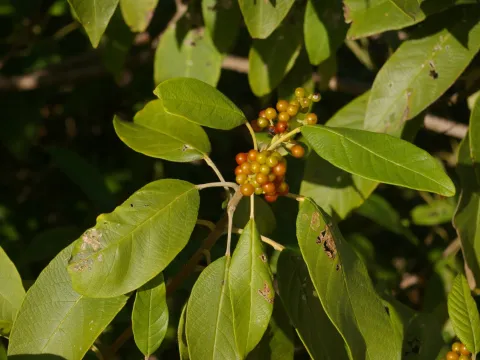
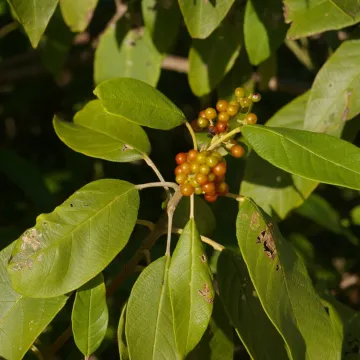
Botanically, the species is defined by its opposite, simple leaves and small, fragrant inflorescences that attract various pollinators. The fruit, a small drupe, serves as a vital food source for local avian fauna, thus facilitating seed dispersal and natural regeneration within forest stands. Its morphology is adapted to survive both the intensive sunlight of tropical climates and potential periods of water scarcity.
Agricultural and forestry management of Petitia domingensis focuses on its adaptability to calcareous soils and alkaline pH levels. While it is a slow-growing species compared to some commercial plantations, its wood quality justifies the investment. Best management practices involve selective thinning and protective measures against herbivory in the early stages of establishment to ensure canopy closure.
The timber of Petitia domingensis is highly prized for its durability, hardness, and resistance to decay and insect attacks. It has been traditionally used for high-quality cabinetry, construction, agricultural tools, and fence posts. Due to its superior physical properties, the wood is frequently referred to as a premium material in regional markets for both artisanal and structural applications.
- Superior wood durability and strength
- High tolerance for limestone and rocky substrates
- Important ecological role in tropical biodiversity
- Potential for sustainable forestry practices
Photo gallery