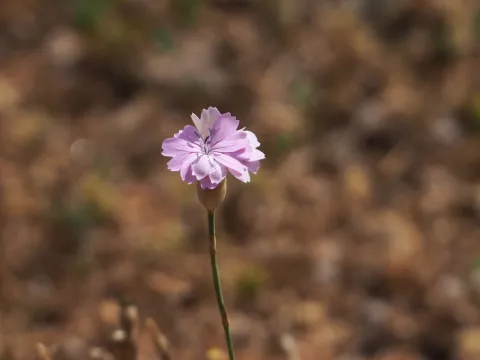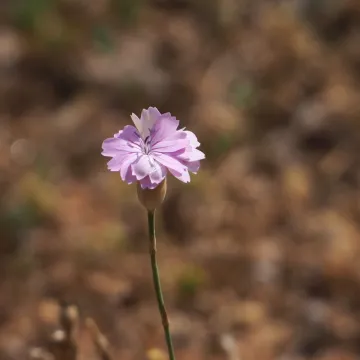
Petrorhagia glumacea
Petrorhagia glumacea
Description
Petrorhagia glumacea is a perennial herbaceous plant belonging to the Caryophyllaceae family. It is recognized for its refined, delicate appearance, which makes it a sought-after species for rock gardens, gravel beds, and xeriscaping projects where typical garden flowers might fail to thrive.
The species originates from the Eastern Mediterranean region and parts of the Near East. It is natively found in stony, limestone-rich habitats, which dictates its preference for well-draining, rugged environmental conditions and high exposure to direct sunlight throughout the growing season.
Botanically, this plant displays narrow, grassy leaves and slender stems that produce small, elegant flowers protected by prominent, papery, glume-like bracts. Its growth habit is typically clump-forming, providing a stable ground cover that persists even in poor, unamended soils.
Effective cultivation relies on simulating its natural habitat: full sun and excellent drainage are mandatory requirements. The plant is notably drought-tolerant once established and does not require frequent irrigation, though it may suffer from excessive humidity, especially in winter, which can lead to crown rot.
The main horticultural use of Petrorhagia glumacea is as an ornamental plant for rockeries and walls. Maintenance is minimal, though growers should be vigilant against aphids during the spring and ensure that the substrate remains porous enough to prevent fungal diseases related to water stagnation.
Photo gallery