Velvet tunicflower
Petrorhagia velutina
Description
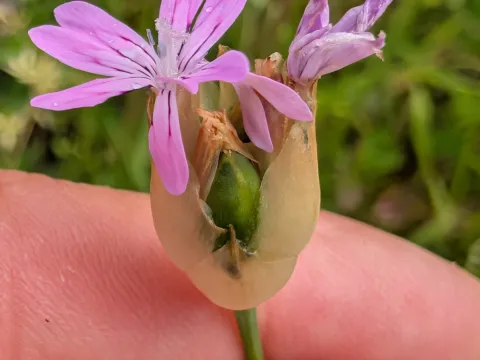
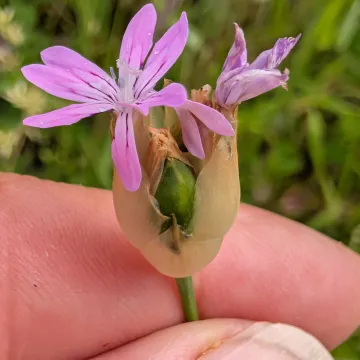
Velvet tunicflower (Latin Petrorhagia velutina) is an annual herbaceous plant belonging to the Caryophyllaceae family. Within the context of modern agronomy and professional gardening, this species is increasingly recognized for its aesthetic value and adaptability, often utilized in wildflower meadows and eco-friendly landscaping projects where low-maintenance flora is preferred.
Originating in the Mediterranean basin and extending across Southern Europe, the Caucasus, and parts of the Middle East, the species is perfectly adapted to Mediterranean climates. It thrives in open, sunny habitats and is naturally occurring on dry grasslands, rocky slopes, and disturbed sites, which highlights its strong evolutionary strategy for survival in nutrient-poor environments.
Botanically, the plant is characterized by its slender, erect stems covered in fine, velvet-like trichomes, giving the plant its distinct texture. The inflorescences consist of small, clustered flowers in varying shades of pink and mauve. The foliage is typically narrow and linear, forming a basal rosette that remains relatively inconspicuous, allowing the flowers to become the primary visual focus during the blooming season.
Agricultural requirements for Petrorhagia velutina are minimal, which makes it a highly sustainable choice. It favors well-drained, sandy, or rocky soils with a neutral pH. The cultivation cycle involves direct sowing in early spring. The plant demonstrates high resilience to drought conditions; therefore, frequent irrigation is generally unnecessary and, in many cases, detrimental to the root system, which is prone to rotting in waterlogged soil.
The primary use of this crop is in ornamental horticulture and the restoration of natural landscapes. It provides essential nectar for local pollinators and adds vertical interest to garden borders. Regarding health management, the plant is generally hardy, though it may be susceptible to root rot in poor drainage conditions. Common pests such as aphids should be monitored during the early growth stages to ensure the plant's structural integrity.
- Soil Type: Well-drained, sandy, or gravelly substrate
- Sun Exposure: Full sun required
- Irrigation: Drought tolerant, requires very little supplemental water
- Pollinator value: High
Photo gallery