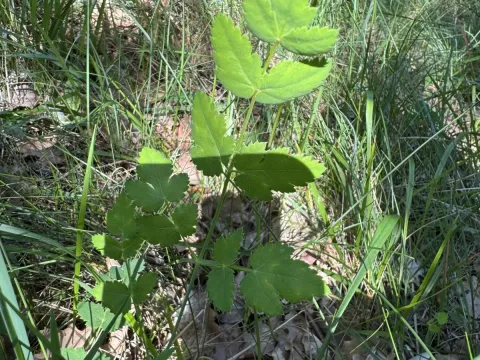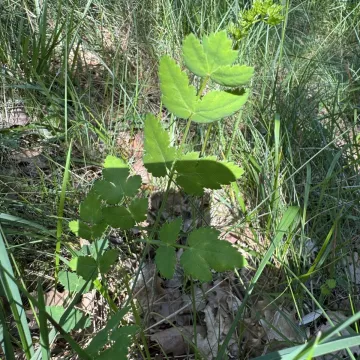
Cervaria rivini
Peucedanum cervaria
Description
Cervaria rivini (Peucedanum cervaria) is a perennial herbaceous plant belonging to the Apiaceae family. Known in traditional botany as a hardy member of the carrot family, it is recognized for its robust growth habit and distinct foliage. The plant develops a dense basal rosette of leaves and typically produces tall, branching flowering stems that reach significant heights during the growing season.
The plant originates from the temperate zones of Europe and Western Asia. It thrives in diverse habitats, including limestone grasslands, forest edges, and dry meadows. Because of its evolutionary adaptation to nutrient-poor and calcareous environments, it exhibits remarkable resilience to environmental stress, making it an interesting candidate for specialized medicinal cultivation.
Botanically, the species is characterized by a deep taproot that facilitates survival in drought-prone landscapes. The inflorescence is a typical compound umbel, consisting of small white flowers that attract various pollinators. The reproductive strategy involves the production of dry, flattened seeds that disperse efficiently once they reach physiological maturity in late summer or early autumn.
Cultivation requirements favor well-drained, porous soils with a slightly alkaline pH. As an agronomically managed crop, it requires minimal intervention once established, but site preparation is crucial. It is essential to ensure that the field is free of aggressive perennial weeds before sowing, as the initial slow growth of the plant makes it susceptible to competition during the first year of development.
The economic utility of the plant is primarily centered on its biochemical profile. It is historically utilized in phytotherapy due to the presence of coumarins and essential oils within its root structures. Beyond its pharmaceutical application, it provides value as a late-season nectar source for bees and contributes to biodiversity when integrated into sustainable agroforestry or meadow management systems.
Common issues encountered during cultivation include:
- Fungal pathogens such as powdery mildew in poorly ventilated stands.
- Root rot caused by stagnant water or anaerobic soil conditions.
- Infestations of aphids which may cluster on the tender buds of the flowering stems.
Photo gallery