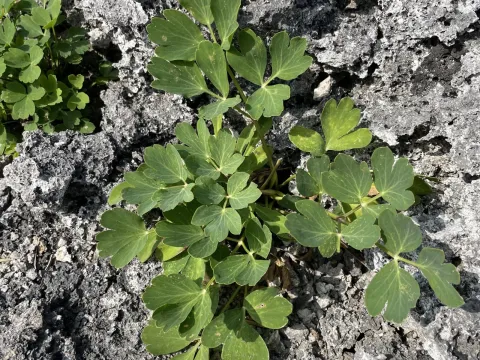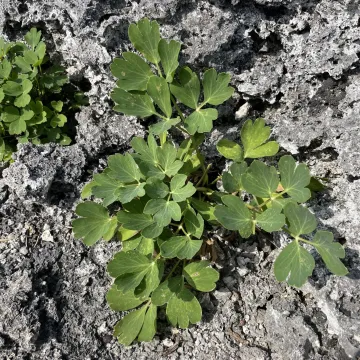
Japanese silvertip
Peucedanum japonicum Thunb.
Description
Japanese silvertip (Peucedanum japonicum Thunb.) is a perennial herbaceous plant belonging to the Apiaceae family. It is a highly regarded crop in East Asia, valued both for its nutritional properties and its traditional medicinal applications in local herbal practices.
Native to coastal areas of East Asia, including Japan, Korea, and Taiwan, the plant has evolved to withstand harsh seaside conditions. Its natural habitat, characterized by rocky soils and salty sea breezes, gives it a robust constitution, making it a relatively hardy plant when cultivated in appropriate garden or agricultural settings.
Botanically, the species is recognized by its fleshy, deeply divided dark green leaves and strong taproots. During its growing season, it develops tall stalks bearing complex umbels of small white flowers. The plant is well-adapted to maritime climates, which often influence its unique chemical composition and flavor profile.
Agronomic requirements for successful cultivation include well-drained, sandy loam soils with a neutral pH. It thrives in full sun but requires protection from excessive soil moisture to prevent root rot. Seeds should be sown after a period of stratification. Farmers should focus on consistent weeding and providing adequate spacing to ensure good airflow, which is critical for disease management.
Economically, the plant is primarily used as a vegetable, with young leaves harvested for cooking or fresh consumption. In traditional medicine, it is prized for its tonic and anti-inflammatory properties. Common plant health issues include aphids and spider mites, while fungal diseases such as powdery mildew can occur if drainage is insufficient, requiring preventative horticultural measures.
Photo gallery