Masterwort
Peucedanum ostruthium
Description
Masterwort (Peucedanum ostruthium) is a perennial herbaceous plant belonging to the Apiaceae family. Historically valued as a powerful medicinal herb, it is gaining interest as a specialty crop. It is a robust plant that thrives in cooler climates and provides significant biomass suitable for medicinal processing.
The plant originates from the mountainous regions of Central and Southern Europe. It naturally occurs in alpine meadows and near streams, which indicates its preference for high-moisture environments and fertile, humus-rich soils. Due to its mountain origins, it is exceptionally hardy and can withstand harsh winters that would kill more sensitive species.
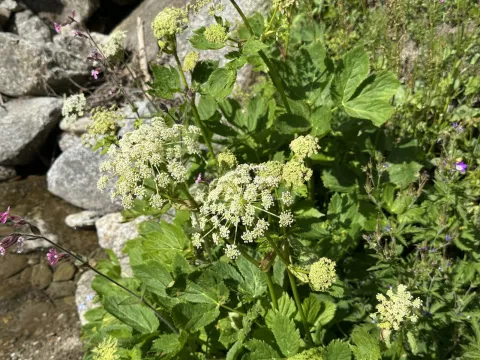
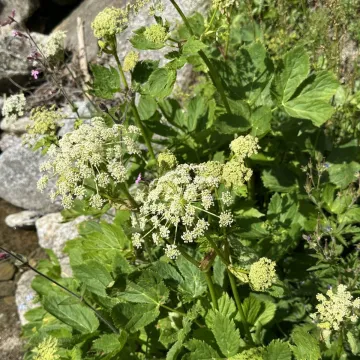
Botanically, it features a thick, fleshy rhizome and tall, hollow stems that can reach up to 1 meter in height. Its foliage is deeply divided, and the plant produces clusters of small white or pinkish flowers in compound umbels. The root system is the most significant part of the plant regarding its medicinal and aromatic compounds, particularly coumarins.
Cultivation requires deep, well-drained loamy soils. While it tolerates partial shade, it performs best when planted in areas with moderate light and consistent soil moisture. Agronomic management involves maintaining weed-free rows and ensuring that the soil does not become waterlogged, as poor drainage is a primary cause of root rot in this species.
Masterwort serves several distinct economic purposes:
- Pharmaceutical extraction of essential oils and active compounds.
- Traditional herbal medicine production.
- Culinary use as a flavoring agent in traditional European spirits and bitters.
- Ornamental horticulture in cottage gardens or shaded flower beds.
Managing pests and diseases is essential for a productive harvest. Fungal pathogens, such as powdery mildew, are the most frequent issues, especially in high-humidity areas. Monitoring for pests like aphids or carrot flies is necessary during the vegetative stage. Sustainable IPM (Integrated Pest Management) practices are recommended to ensure high-quality product output for medical or cosmetic markets.
Photo gallery