
Venetian hog-fennel
Peucedanum venetum
Description
Venetian hog-fennel (Peucedanum venetum) is a robust perennial herb belonging to the Apiaceae family. In agricultural terms, it is recognized as a specialty crop, valued for its unique chemical profile and structural characteristics, which make it suitable for botanical gardens and specific medicinal production trials.
The species is native to the mountain regions of Southern Europe, specifically across parts of Italy. Its distribution is closely linked to temperate montane environments. As an agricultural crop, it is best suited for cooler climates that mimic its natural habitat, allowing for slow but consistent biomass development throughout the growing season.
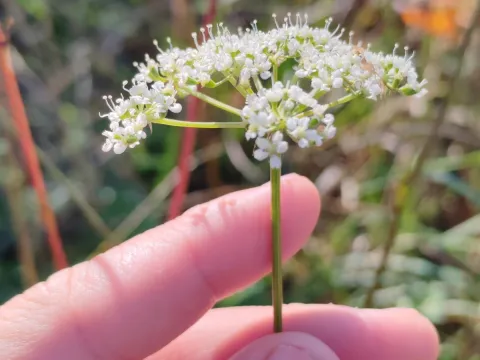
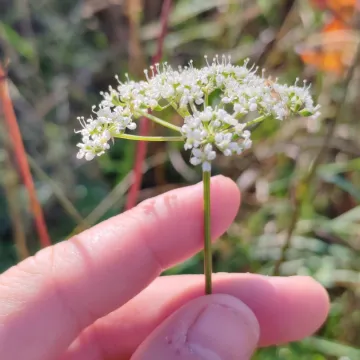
Botanically, Peucedanum venetum features a deep taproot system and a basal rosette of finely divided, green foliage. The flowering stalks can reach considerable heights, producing expansive compound umbels filled with small, pale flowers. This architecture is characteristic of the genus and serves as a vital indicator of the plant's health and maturity.
Cultivation requires well-drained, lime-rich soils with moderate fertility. The crop thrives in full sun but tolerates partial shade in warmer regions. Standard agricultural management includes maintaining consistent soil moisture levels without causing waterlogging, as the root system is prone to crown rot if drainage is insufficient during dormant months.
The plant is primarily utilized for its phytochemical compounds, which have garnered interest in ethnobotanical studies. To ensure a successful harvest and maintain plantation health, growers must monitor for common issues:
- Susceptibility to powdery mildew in high humidity conditions.
- Infestations by aphids during the vegetative growth phase.
- Management of soil-borne fungi through proper spacing and aeration.
Photo gallery