
Peucedanum verticillare
Peucedanum verticillare
Description
Peucedanum verticillare is a striking perennial herb belonging to the Apiaceae family. It is recognized for its architectural form and significant size, making it a distinctive species within the genus. While often appreciated for its ornamental value in garden landscapes, it also holds potential interest for medicinal herb production due to its secondary metabolites.
Native to Southern and Central Europe, this species naturally occurs in woodland edges and mountainous slopes. The plant is adapted to regions with mild to cool temperatures and prefers habitats that offer protection from direct, harsh sunlight. Its natural distribution demonstrates a clear preference for moist, nutrient-rich environments.
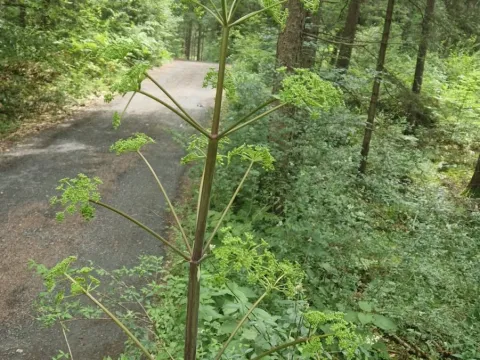
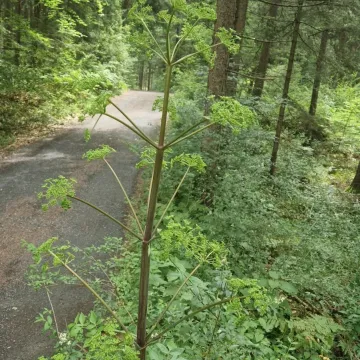
Botanically, the plant is characterized by a robust, hollow stem that can reach heights of up to 2-3 meters. Its foliage is finely divided and arranged in whorls along the stem, which is a key diagnostic feature. The inflorescence consists of large, compound umbels composed of numerous small, yellowish-white flowers that emerge during the mid-to-late summer period.
Agricultural success depends on providing deep, fertile, and well-drained soils. Peucedanum verticillare thrives in sites that maintain moderate soil moisture levels throughout the growing season. While it is hardy in many climates, it is best placed in areas protected from strong, desiccating winds that could damage its tall, structural growth.
Management involves periodic soil nutrient monitoring and pest control. Common challenges include typical Apiaceae pests such as aphids or spider mites, particularly in drier conditions. Disease management focuses on preventing root rot through proper drainage and monitoring for powdery mildew in late season environments, ensuring that the plant retains its structural integrity.
Photo gallery