Silverleaf phacelia
Phacelia hastata
Description
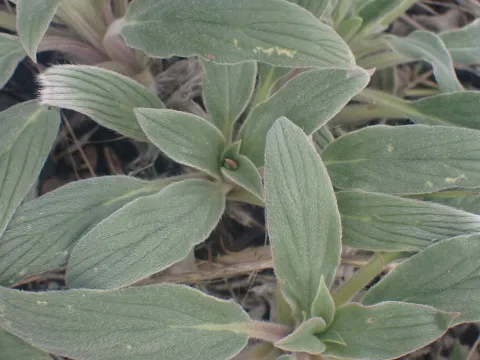
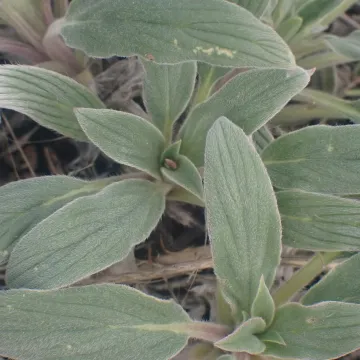
Silverleaf phacelia (Phacelia hastata) is a perennial herbaceous plant belonging to the Boraginaceae family. Known for its distinctive silvery, hairy foliage and lance-shaped leaves, this species is highly valued for its resilience in rugged environments and its ability to thrive where other crops struggle.
Native to western North America, this plant is naturally adapted to dry, open habitats, including rocky slopes and mountainous regions. Its natural distribution range spans from British Columbia down to California, reflecting its exceptional cold hardiness and ability to tolerate diverse climatic conditions across its native range.
Botanically, the silverleaf phacelia typically grows as a cluster of stems with dense, soft hairs that provide protection against extreme sunlight and dry winds. The inflorescence consists of coiled cymes of small, bell-shaped flowers, which provide a rich source of nectar and pollen for various bee species, effectively promoting biodiversity in agricultural landscapes.
Regarding soil and climatic requirements, the plant is remarkably undemanding. It flourishes in well-drained, nutrient-poor, or rocky soils, preferring sites with full sun exposure. It is highly drought-tolerant, requiring minimal intervention once established, which makes it an excellent candidate for low-maintenance agricultural projects and soil stabilization efforts in semi-arid climates.
The primary economic and agronomic uses include:
- Pollinator support: serving as a vital nectar source for honeybees and native wild bees.
- Soil conservation: acting as a ground cover to prevent erosion on steep, disturbed slopes.
- Biodiversity management: improving the ecosystem health of farmlands by providing habitat for beneficial insects.
Common diseases and pests are generally minimal for this hardy species. However, overwatering remains the primary threat, as excessive moisture often leads to root rot pathogens. Occasional aphid infestations may occur, but they are rarely severe enough to cause economic damage or require chemical control, reinforcing the plant's reputation as a sustainable, low-input species.
Photo gallery