Branching phacelia
Phacelia ramosissima
Description
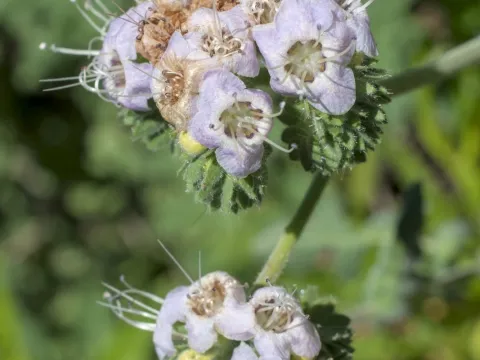
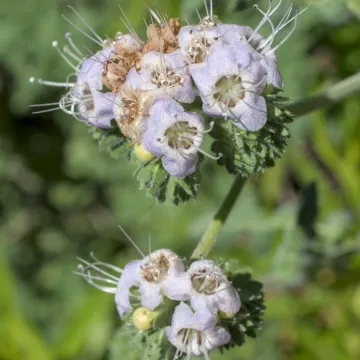
Branching phacelia (Latin: Phacelia ramosissima) is a herbaceous perennial plant belonging to the Boraginaceae family. It is distinct from other species in the genus due to its heavily branched stem structure, which allows it to develop a robust and dense canopy of foliage within a single growing season.
The native range of this species is primarily western North America, where it thrives in diverse environments, from dry mountain slopes to semi-open woodlands. This geographical origin explains the plant's high level of adaptability to Mediterranean-like climates characterized by dry summers and cool, moist winters.
Botanically, Phacelia ramosissima is characterized by glandular hairs on its leaves and stems, which provide a degree of defense against some generalist herbivores. The flowers are arranged in scorpioid cymes, a signature trait of the family, and they are highly attractive to a variety of native pollinators, including bumblebees and solitary bees.
Regarding cultivation, this species demands well-drained soil and full sun exposure. It is highly drought-tolerant, making it an excellent candidate for agricultural systems in semi-arid regions. In terms of agronomy, the soil should be relatively loose to allow deep root penetration, and excessive fertilization is typically unnecessary, as the plant can thrive in soils of low fertility.
Key areas of agricultural and environmental utilization include:
- Enhancement of soil structural stability in erosion-prone areas.
- Provision of high-quality floral resources for honey production and ecosystem services.
- Use as a restorative cover crop to improve nutrient cycling in degraded lands.
While generally hardy, the plant may face issues with root pathogens if planted in waterlogged soils. Common pests, such as aphids, can occasionally infest the foliage, but typically they do not reach economic threshold levels if the crop is managed under optimal conditions. Proper site selection remains the most critical factor in preventing disease outbreaks.
Photo gallery