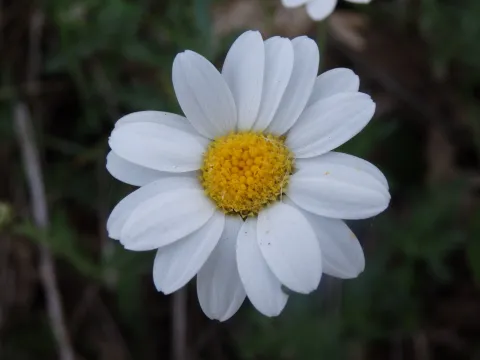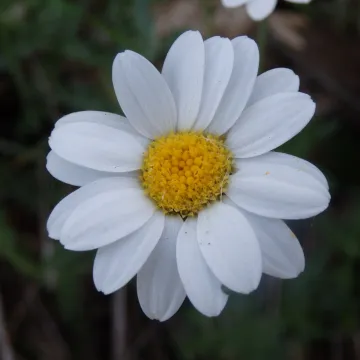

Phalacrocarpum oppositifolium
Phalacrocarpum oppositifolium
Description
Phalacrocarpum oppositifolium is a perennial herbaceous plant belonging to the Asteraceae family. This species is notably adapted to high-altitude environments, where it plays a specific role in the mountain ecosystem, displaying significant physiological adaptations to thrive in rugged terrains.
The plant is native to the mountain ranges of the Iberian Peninsula. Its natural range is concentrated in rocky areas and alpine meadows in Spain and Portugal, where it has evolved to survive under challenging conditions, including cold temperatures and rocky, nutrient-poor substrates.
Botanically, it is characterized by its opposite leaves, which is reflected in its specific epithet. The inflorescences are typical Asteraceae flower heads, usually bright yellow, which are well-suited for attracting pollinators in the sparse vegetation of high-altitude habitats.
The agricultural or horticultural requirements for this plant focus on excellent soil drainage and low humidity. It does not tolerate waterlogging, which often leads to root decay. Successful cultivation requires a mineral-based soil mix, mimicking its natural stony habitat, with exposure to full sunlight.
Regarding its utility, Phalacrocarpum oppositifolium is primarily valued for its potential in ornamental rock gardening. Its unique appearance and low maintenance requirements make it a candidate for sustainable landscaping and the restoration of stony ground cover in suitable climatic zones.
Common health issues involve fungal infections if the plant is grown in humid or improperly drained soil, leading to root rot. Pests such as aphids or spider mites can occasionally affect the plant in greenhouse or garden settings, though the species is generally resilient under optimal conditions.
Photo gallery