
Spanish canary grass
Phalaris hispanica
Description
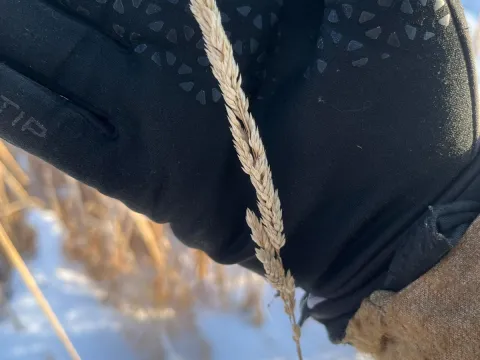
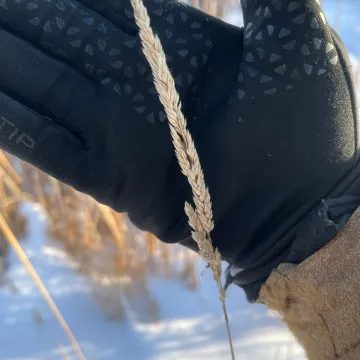
Spanish canary grass (Phalaris hispanica) is an annual grass species belonging to the Poaceae family. Native to the Mediterranean region, this plant has been recognized for its ability to thrive in climates characterized by mild, wet winters and warm, dry springs, making it a viable candidate for specific agricultural landscapes.
Botanically, it is defined by its erect stems and specialized inflorescence, which is a dense, spike-like panicle. The leaves are generally lanceolate and have a distinct texture. As a member of the Phalaris genus, it possesses a sturdy root system that aids in stabilizing the plant and nutrient uptake, allowing it to reach a height of approximately one meter under optimal conditions.
The cultivation of this grass requires well-drained, fertile soil. It is particularly sensitive to soil compaction and waterlogging, which can severely hinder development. Agronomic management involves preparing a fine seedbed and ensuring proper sowing depth to promote uniform germination. Nitrogen application is often necessary during the tillering stage to maximize biomass yield for fodder purposes.
The primary economic use of Phalaris hispanica is in animal husbandry, where it is utilized as a green forage crop or processed into high-quality hay. The nutritional profile of the plant, especially when harvested before full maturity, provides significant protein content, making it an excellent component of pasture mixtures for livestock feed.
- Excellent forage biomass production
- Fast regrowth cycle after harvesting
- Adaptability to Mediterranean climates
- Ease of integration into crop rotations
The crop is susceptible to common cereal diseases such as rusts and powdery mildew, which are more prevalent in periods of high humidity and poor ventilation. Pests including aphids and cereal flies can also impact yield quality. Effective management strategies involve a combination of crop rotation, timely irrigation, and the use of integrated pest management (IPM) techniques to maintain crop health throughout the season.
Photo gallery