Phaleria macrocarpa
Phaleria macrocarpa
Description
Phaleria macrocarpa, widely known as the "God's Crown" or "Mahkota Dewa," is an evergreen shrub belonging to the Thymelaeaceae family. It is highly esteemed in traditional medicine across Southeast Asia for its dense concentration of bioactive compounds, including alkaloids, saponins, and various phenolic components that exhibit strong antioxidant properties.
The plant originates from the tropical rainforests of Indonesia and Malaysia, where it thrives in the understory of dense forests. Its cultivation requires specific conditions that mimic its natural habitat, including high ambient humidity and temperatures that do not fluctuate significantly throughout the year. It has become an essential crop for pharmaceutical companies seeking natural plant-based therapeutic sources.
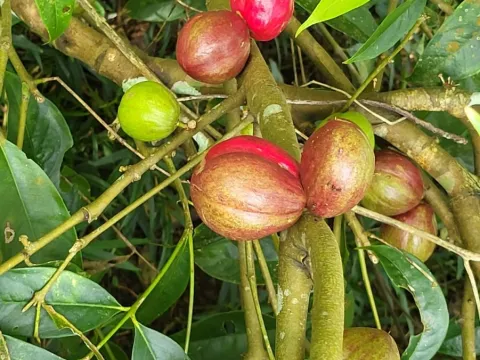
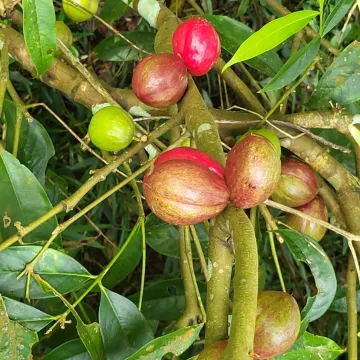
From a botanical standpoint, the plant features glossy, lanceolate leaves and displays cauliflory, where fruits emerge directly from the main trunk. The fruit is round and turns from green to a deep red upon maturity. Successful cultivation involves careful management of light levels, as the plant is sensitive to intense direct sunlight, which can cause leaf necrosis.
The agronomic requirements for Phaleria macrocarpa emphasize soil quality and drainage. It requires a well-structured, nutrient-rich soil with a slightly acidic to neutral pH. Proper irrigation is critical: while the plant demands moisture, soil compaction and waterlogging must be avoided to prevent root rot. Fertilizer application, particularly nitrogen-based in the vegetative phase, is necessary to promote healthy canopy development.
Main industrial use involves the drying and extraction of fruit pulp and seeds for nutraceutical and pharmaceutical products. When managing a commercial orchard, growers must stay vigilant against pests such as aphids and spider mites. Regular pruning is also recommended to improve airflow within the canopy, which helps in preventing fungal leaf spots and other related pathogens.
Photo gallery