
Phaseolus adenanthus
Phaseolus adenanthus
Description
Phaseolus adenanthus is a perennial herbaceous climbing plant belonging to the Fabaceae family. As a wild relative of the common bean, it exhibits robust growth patterns and strong adaptive traits that allow it to thrive in various tropical and subtropical environments across the globe.
The plant originates from the tropical regions of the Americas. Over centuries, it has naturalized across various parts of Asia, Africa, and Australia. It is typically found in disturbed areas, along riverbanks, and forest edges where it can easily climb over competing vegetation to access sufficient sunlight for its development.
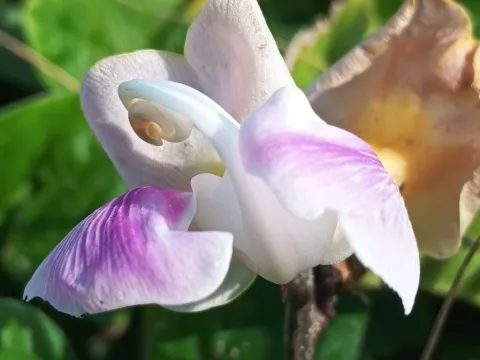
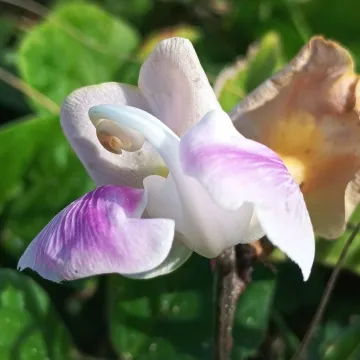
Botanically, it is distinguished by its vigorous, twining stems and trifoliate leaves. The flowers are notable for their aesthetic appeal, often appearing in shades of white, pink, or purple, and are arranged in racemes. The fruits consist of linear pods that protect the seeds, which are biologically similar to those of other cultivated Phaseolus species, containing high concentrations of proteins.
Climate and soil requirements are specific to its tropical nature. It demands high temperatures and consistent moisture levels throughout the growing season. The plant thrives in well-drained, fertile soil, ideally with a neutral pH. Proper soil preparation and the provision of climbing supports are essential agronomic practices to ensure high vegetative biomass and proper pod maturation.
The primary economic uses of this culture include its application as a nitrogen-fixing cover crop, a source of green manure, and an important genetic resource for breeding programs aiming to improve resistance to biotic and abiotic stresses in commercial bean varieties. Monitoring for common pests, such as aphids and bean weevils, is critical to maintaining productivity.
Photo gallery