
Japanese bean
Phaseolus nipponensis
Description
The Japanese bean (Phaseolus nipponensis) is a wild plant species belonging to the Fabaceae family. It is recognized as a key wild relative of the common bean, playing a crucial role in modern plant breeding programs due to its evolutionary adaptation and genetic diversity, which can provide beneficial traits for agricultural improvements.
This species is native to East Asia, with a primary range encompassing Japan and parts of the Korean Peninsula. Unlike widely cultivated crops, it exists primarily in natural habitats where it has adapted to temperate climates, showing resilience against local environmental stressors that cultivated varieties might otherwise succumb to.
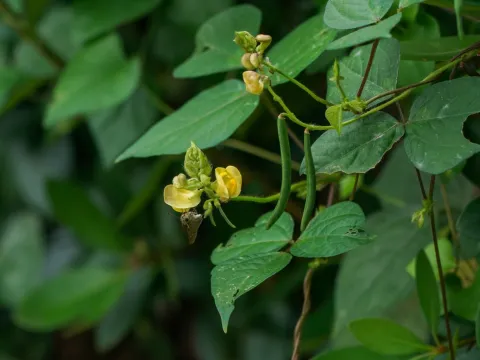
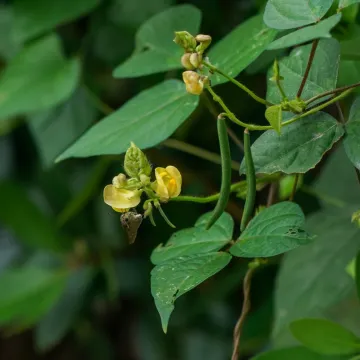
From a botanical standpoint, Phaseolus nipponensis is a climbing plant with vigorous vegetative growth. It features trifoliate leaves and produces flowers typical of the genus. Its root system is particularly notable for forming symbiotic relationships with rhizobia, facilitating nitrogen fixation, which significantly benefits soil nitrogen levels.
Regarding agrotechnical requirements, the plant thrives in well-drained, fertile soils with sufficient sunlight exposure. It requires stable moisture levels, particularly during the flowering phase, but growers must ensure proper drainage to prevent root rot. Due to its climbing habit, providing structural support is essential for optimizing yield and air circulation.
The main agricultural and economic significance of the Japanese bean lies in its use as a genetic repository. Researchers utilize it to introduce genes for disease and pest resistance into commercial bean lines. Common threats to this species include typical pulse pathogens and insects, such as aphids and fungal infections, which necessitate integrated pest management practices.
- Valuable genetic source for breeders
- Nitrogen-fixing capabilities
- Adaptability to temperate seasonal cycles
- High resilience against local pathogens
Photo gallery