Phaulothamnus spinescens
Phaulothamnus spinescens
Description
Phaulothamnus spinescens is a specialized, thorny shrub belonging to the Phytolaccaceae family. This plant is well-adapted to harsh environmental conditions, making it a subject of interest for botanists specializing in desert ecology and arid-zone agriculture. Its structural complexity and resilience to water scarcity differentiate it from common garden shrubs.
The native distribution of Phaulothamnus spinescens is restricted to the arid regions of Mexico and the Southwestern United States. It typically thrives in rocky substrates and exposed desert environments. These areas are characterized by intense heat, erratic precipitation, and high solar radiation, to which the plant has adapted through specialized physiological mechanisms.
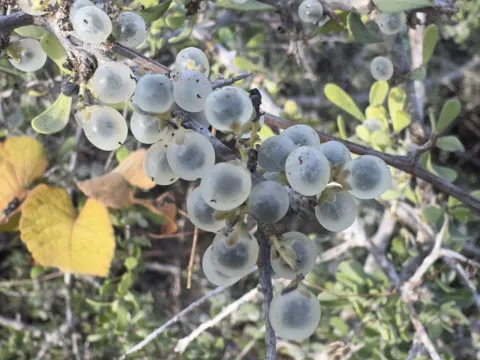
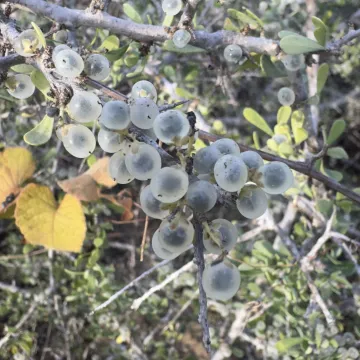
Botanically, the plant is recognized by its dense, branching stems covered in sharp spines, which function as both a defense mechanism and a way to mitigate water loss. The leaves are relatively small and may be deciduous during severe drought. Following the flowering phase, it produces small, fleshy fruits that provide essential nourishment for desert wildlife, contributing to the local biodiversity of its ecosystem.
Agronomic requirements for cultivating Phaulothamnus spinescens are centered on drainage. It necessitates loose, well-draining soil to prevent root rot, which is the most significant threat to its survival in cultivation. The plant thrives under full sunlight and requires very little irrigation once established. Fertilizer application should be minimal, as the species is adapted to thrive in nutrient-poor desert soils.
In terms of practical use, this species is primarily utilized in xeriscaping and sustainable landscaping projects that prioritize water conservation. It serves as an effective ground-cover stabilizer in regions prone to soil erosion. The plant is remarkably resistant to typical agricultural pests and diseases, largely due to its evolutionary adaptation to hostile environments where few pathogens can survive.
Photo gallery