Chinese cork tree
Phellodendron chinense
Description
The Chinese cork tree (Phellodendron chinense) is a deciduous tree belonging to the Rutaceae family. It is highly regarded in both agricultural and pharmaceutical sectors due to its medicinal properties, primarily centered on the active alkaloids extracted from its distinctively soft, corky bark.
The species is native to Central and Southern China, thriving in mountain forests and moist valleys. In agricultural settings, it is cultivated specifically for the sustainable harvest of bark for herbal medicine, though it also serves as an excellent ornamental specimen due to its unique foliage and structure.
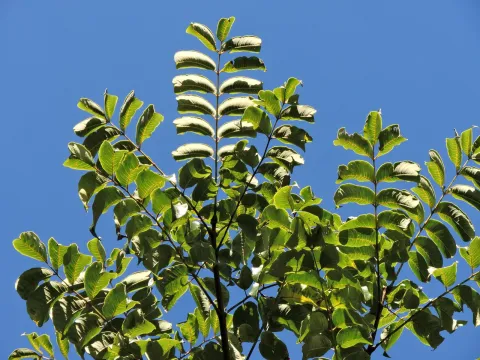
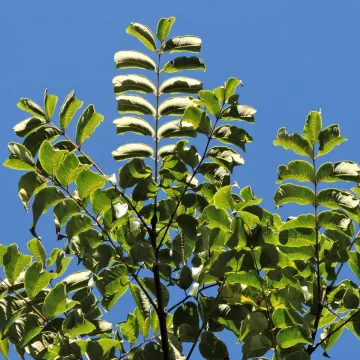
Botanically, the tree typically grows to 10–15 meters with a spreading crown. It features pinnate, aromatic leaves and produces small, yellow-green flowers. As the tree matures, the bark develops a thick, cork-like texture, which is a signature feature of the species, separating it from other trees in the genus.
Successful cultivation requires deep, well-drained, and nutrient-rich soils. The tree prefers a temperate climate with consistent moisture levels. In terms of agronomy, growers must focus on providing protection for young saplings against harsh winds and extreme cold. Regular fertilization and balanced irrigation are essential during the establishment phase to ensure healthy canopy development.
Economically, the tree is primarily grown for its chemical constituents used in traditional and modern medicines. Beyond its medical applications, the wood is valued for its durability and resistance to decay, making it suitable for high-quality woodwork. Growers should monitor for common pests such as leaf miners and potential fungal pathogens that may affect foliage health in humid environments.
- Requires fertile, moist, and well-drained loam.
- High value in the pharmaceutical market for bark extracts.
- Needs protection from intense direct sunlight during early growth.
- Known for high nectar production, benefiting local apiculture.
Photo gallery