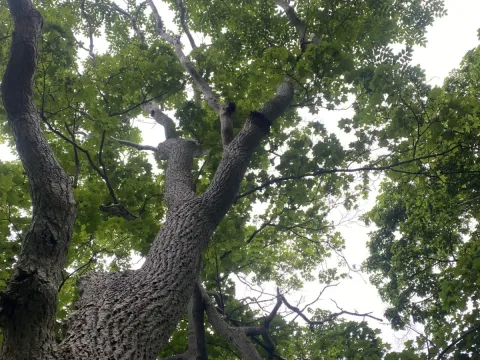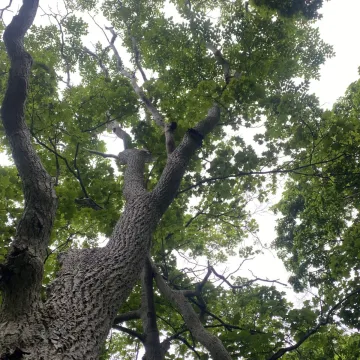
Sakhalin cork tree
Phellodendron sachalinense
Description
The Sakhalin cork tree (Phellodendron sachalinense) is a deciduous tree belonging to the family Rutaceae. It is widely recognized for its distinctive, thick, corky bark and its elegant, spreading crown, which make it an attractive subject for both reforestation projects and ornamental landscaping.
The species is native to the Far East, specifically Sakhalin, the Kuril Islands, and Japan. It thrives in temperate regions with moist, fertile soils. As an agricultural and forestry crop, it demonstrates notable cold hardiness, allowing it to adapt to diverse climates while maintaining its characteristic growth rate.
Botanically, the tree typically reaches heights of 10 to 15 meters. It possesses pinnate, compound leaves that emit a distinct aromatic scent when crushed. The most unique feature is the corky bark, which serves as a protective layer and a source of natural cork. The tree is also valued for its resilient, beautiful wood, which is often used in cabinetry.
Cultivation requires well-drained, nutrient-rich soil with a neutral to slightly acidic pH. The tree is sun-loving and performs best when planted in open areas. Young trees require careful irrigation to establish strong root systems. Once matured, the Sakhalin cork tree is relatively low-maintenance, provided it is planted in an environment free from waterlogging.
Common applications for this crop include:
- Commercial production of natural cork.
- Extraction of bioactive compounds for the pharmaceutical industry.
- Use as an ornamental tree in parks and botanical gardens.
- Harvesting timber for high-quality wood manufacturing.
Regarding pest and disease management, the primary concerns are fungal pathogens, particularly if the soil remains excessively damp. Periodic inspection of the bark and canopy is essential to monitor for leaf-eating insects or signs of decay. Proper site selection and good drainage are the best preventive measures to ensure the health and longevity of the tree.
Photo gallery