Phelypaea coccinea
Phelypaea coccinea
Description
Phelypaea coccinea is a distinct parasitic plant species belonging to the family Orobanchaceae. As an obligate root parasite, it completely lacks chlorophyll and cannot perform photosynthesis, relying entirely on its host plants—typically members of the Asteraceae family—to provide essential nutrients and water for its growth cycle.
The native distribution of this species is largely restricted to the mountainous landscapes of the Caucasus and parts of Asia Minor. It thrives in high-altitude environments, favoring rocky slopes and subalpine meadows where its host plants are present in sufficient density to support its development.
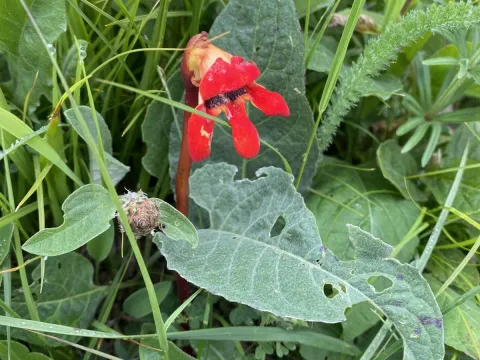
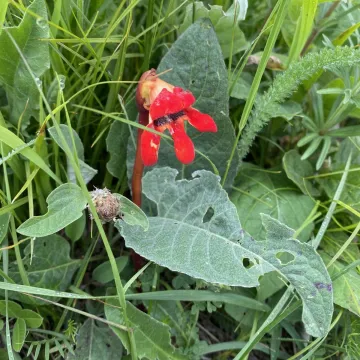
Botanically, Phelypaea coccinea is defined by its stout stem covered in fleshy, scale-like leaves. Its most striking feature is the large, vivid scarlet-red flower that emerges from the soil. This bloom is highly specialized, structurally adapted to be pollinated by specific mountain-dwelling insects that frequent the alpine zones.
In terms of agricultural significance, Phelypaea coccinea is not classified as a crop and holds no role in commercial farming. Attempts at cultivation are practically non-existent due to the biological necessity of a specific host plant and the very narrow range of required environmental conditions that are difficult to replicate in controlled settings.
The conservation of this species is vital for biodiversity, as it plays a specific role in the complex web of mountain ecosystems. Because it is a rare and ecologically sensitive plant, researchers emphasize the importance of habitat protection to ensure its continued survival against the impacts of climate change and environmental disturbance.
- Family: Orobanchaceae
- Classification: Root parasite
- Flower Color: Crimson/Scarlet
- Distribution: Caucasus and Asia Minor
- Ecological Status: Rare/Sensitive
Photo gallery