Phenax sonneratii
Phenax sonneratii
Description
Phenax sonneratii is a perennial shrubby plant belonging to the Urticaceae (nettle) family. While lesser-known in global industrial agriculture compared to other fiber crops, this species is highly valued in tropical regions for its structural bast fibers. It serves as a significant botanical resource for local economies where sustainable and durable natural materials are required.
The plant is native to the tropical forests of Central and South America. It thrives in humid, shaded or semi-shaded environments, which mimic its natural understory habitat. Cultivation is strictly limited to tropical and subtropical climates, as the species lacks cold hardiness and requires a consistent thermal environment to maintain its vegetative growth and fiber development.
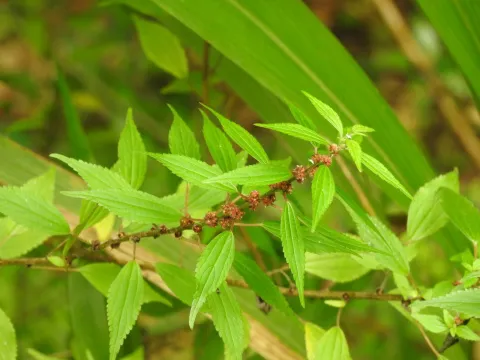
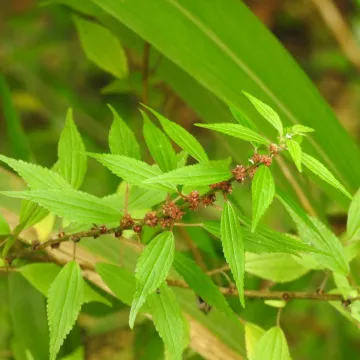
Botanically, Phenax sonneratii is characterized by erect, fibrous stems that can reach several meters in height under ideal conditions. The leaves are typically serrated, mirroring the appearance of its relatives in the nettle family. The plant possesses a robust root system capable of rapid regeneration, which supports multiple harvest cycles within a growing season if managed correctly.
Regarding agronomic requirements, the crop demands fertile, well-drained soil rich in organic matter. Proper cultivation involves maintaining consistent soil moisture, as drought stress negatively impacts fiber quality. Nitrogen-based fertilization is essential during the active vegetative growth phase to maximize stem thickness and length, ensuring a high yield of raw fiber per hectare.
The хозяйственное (economic) utility of Phenax sonneratii is focused on fiber extraction:
- Production of durable textiles for agricultural and industrial use.
- Manufacturing of eco-friendly ropes, twines, and cordage.
- Use in artisanal crafts and traditional weaving practices.
- Potential application as a raw material in specialty paper pulp production.
Common pests include mites and various leaf-chewing insects that are prevalent in tropical agro-ecosystems. Disease management is centered on preventing fungal pathogens that thrive in high-humidity environments. Agronomists recommend appropriate plant spacing to ensure air circulation and the use of preventative management strategies to maintain plant vigor throughout the production cycle.
Photo gallery